Table of Contents
Introduction
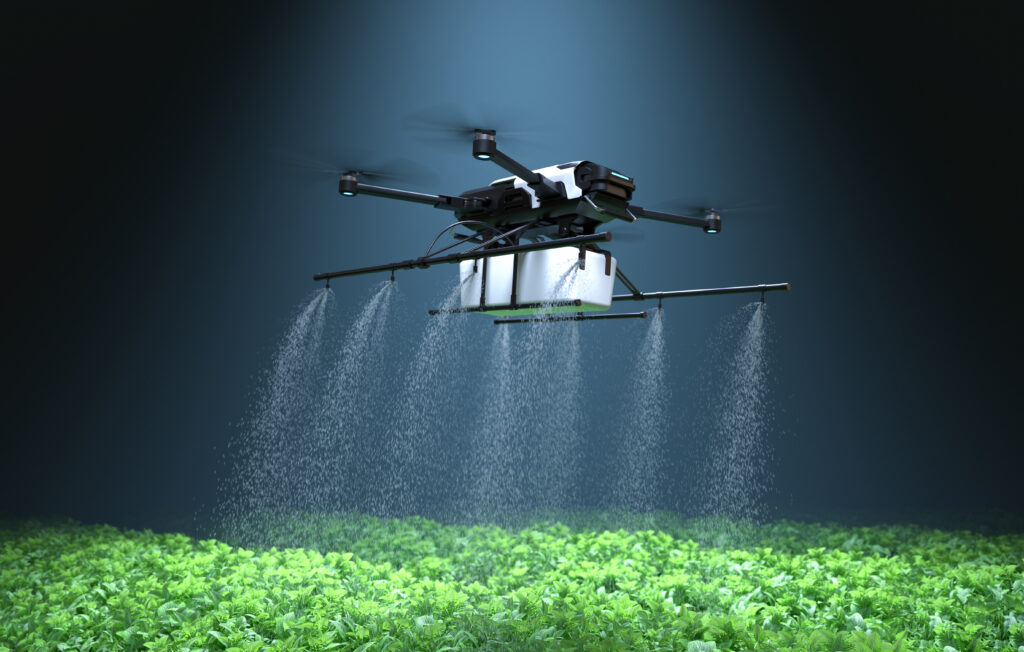
Water is one of the most valuable resources in agriculture. Yet, millions of liters are wasted every year due to outdated irrigation methods. Smart irrigation technology is revolutionizing how farmers manage water, energy, and crop productivity. Sensors, IoT devices, and data analytics work together in smart irrigation. This combination provides precision. It enhances efficiency and supports sustainability. These are the three pillars of modern farming.
What Is Smart Irrigation Technology?
Smart irrigation technology uses automated systems and real-time data to control how much water crops receive. Instead of traditional manual watering or fixed timers, smart systems use:
- Soil moisture sensors
- Weather forecasts
- Evapotranspiration data
- AI-based algorithms
These technologies make sure that crops get exactly the amount of water they need — no more, no less.
Why Smart Irrigation Matters
Water scarcity is one of the greatest challenges of the 21st century. The agricultural sector consumes nearly 70% of global freshwater, meaning small improvements in efficiency can make a massive impact.
Smart irrigation systems help farmers:
Reduce water consumption by up to 50%
Lower electricity and pumping costs
Increase crop yields
Maintain soil health and prevent overwatering
Key Components of Smart Irrigation Systems
| Component | Function | Example |
|---|---|---|
| Soil Moisture Sensors | Detect real-time soil water levels | Decagon EC-5, Vegetronix VH400 |
| Weather Stations | Monitor temperature, humidity & rainfall | Davis Vantage Pro2 |
| Controllers & Valves | Automate irrigation timing | Rain Bird ESP-Me Controller |
| IoT Gateways | Connect devices to cloud systems | LoRaWAN, Zigbee |
| Mobile Apps & Dashboards | Manage irrigation remotely | CropX, Arable, Netafim Digital Farming |
How AI and IoT Improve Water Management

Artificial Intelligence (AI) and the Internet of Things (IoT) allow systems to learn and adapt. Over time, smart irrigation becomes even “smarter.”
- AI predicts rainfall and adjusts irrigation schedules.
- IoT connects hundreds of sensors for large farms.
- Data is stored in the cloud for analytics and forecasting.
With this integration, farmers can make data-driven decisions rather than relying on guesswork.
Smart Irrigation Around the World
Countries like Israel, India, and the United States have already seen remarkable success with these systems. In Morocco and North Africa, the use of drip irrigation combined with IoT sensors is expanding rapidly. This expansion reduces costs. It also increases harvest quality.
Governments and startups are supporting smart farming through innovation grants. They are providing affordable sensor kits. This approach makes technology accessible even for small-scale farmers.
The Economic Benefits
Smart irrigation may seem expensive at first, but it quickly pays off. Studies show that farms using automated irrigation can achieve:
- 20–40% increase in productivity
- 30–50% reduction in water bills
- Faster ROI within one or two growing seasons
It’s not just about saving water — it’s about building a more profitable and sustainable farm.
Challenges and Future of Smart Irrigation
Despite its potential, challenges remain:
- High initial cost for small farmers
- Need for technical knowledge
- Limited internet coverage in rural areas
However, with 5G connectivity, cheaper sensors, and government-backed programs, these barriers are fading. By 2030, smart irrigation could become a standard tool in every farm worldwide.
Transforming Traditional Irrigation Practices
Traditional irrigation systems often relied on guesswork, leading to massive water waste and uneven crop growth. Smart irrigation employs automated valves and connected pumps. Farmers also use sensors that precisely deliver water based on real-time field conditions. This level of precision improves crop uniformity. It also ensures sustainability in regions where water scarcity is becoming a national concern.
The Rise of Connected Farming
Connectivity has become the backbone of modern agriculture. Smart irrigation integrates with IoT devices and cloud platforms to create a “connected farm.” Farmers receive instant alerts about soil moisture, weather changes, and irrigation system performance, directly on their smartphones. This constant feedback loop enables better decisions and less dependency on manual monitoring.
The Role of Big Data in Irrigation Decisions
Big Data plays a crucial role in optimizing water use. Smart irrigation platforms analyze patterns from thousands of sensors, satellites, and field cameras. They identify the exact water requirements for each plant type. They also consider soil composition and climate zone. This data-driven approach saves millions of liters annually while maintaining crop health.
Integration of AI with Precision Agriculture
Artificial Intelligence has taken smart irrigation to the next level. Modern systems use AI algorithms to predict water needs based on historical data, plant type, and local weather forecasts. As AI continues to evolve, irrigation systems will become self-learning, adapting to crop behavior over time for unmatched efficiency.
How Weather-Based Systems Improve Efficiency
Weather-based irrigation systems collect real-time atmospheric data. They gather information such as temperature, humidity, wind, and solar radiation. This data is used to adjust watering schedules. These systems do not rely on static programs. They dynamically adapt to natural changes. This reduces water waste. It also maintains ideal soil conditions for plant roots.
Smart Irrigation in Greenhouses
Greenhouses require a delicate balance of humidity and moisture. Smart irrigation systems provide automated misting and drip functions that respond to air and soil sensors. As a result, farmers can control microclimates with pinpoint precision, leading to healthier plants and consistent yields throughout the year.
The Environmental Impact of Efficient Irrigation
Beyond productivity, smart irrigation contributes significantly to environmental conservation. By minimizing runoff and deep percolation, it reduces soil erosion and protects nearby water bodies from chemical pollution. This makes it a key tool in achieving the UN’s Sustainable Development Goals (SDGs).
The Role of Renewable Energy in Smart Irrigation
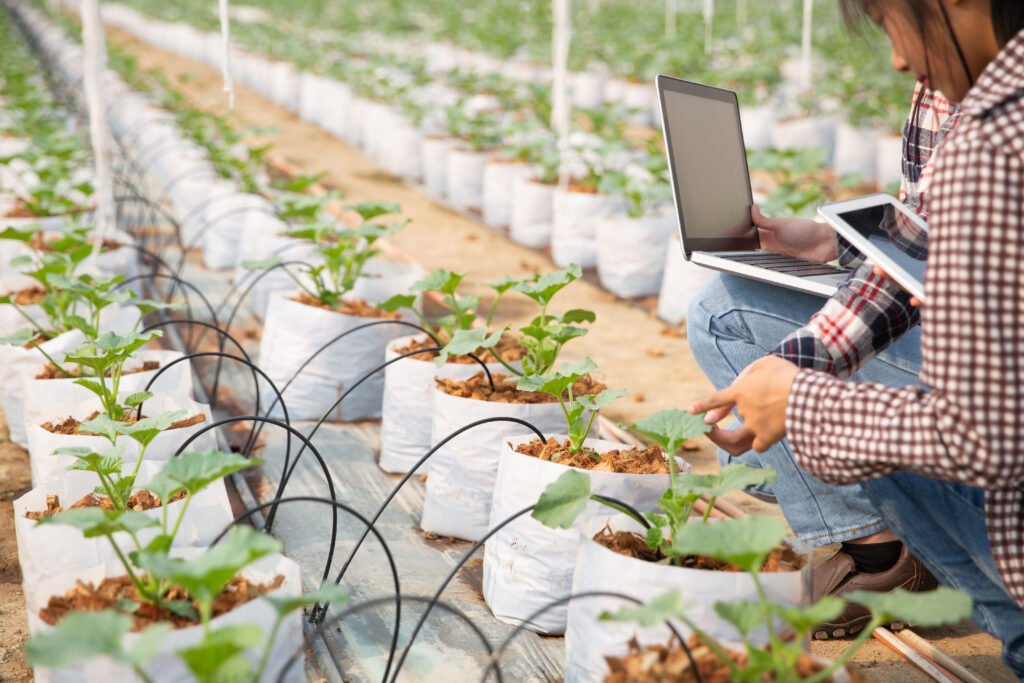
Many modern irrigation systems now run on solar or hybrid energy. Solar-powered pumps and sensors drastically lower operational costs and carbon emissions. This combination of clean energy and smart control makes the technology both sustainable and accessible, even in remote rural areas.
Case Study: Morocco’s Smart Water Projects
In Morocco, several agricultural regions are embracing IoT irrigation networks. Projects in Souss-Massa and Marrakech-Safi have introduced connected drip systems that monitor humidity and soil levels via cloud dashboards. These innovations have boosted water efficiency by up to 45%, proving the value of smart technology in semi-arid environments.
Training Farmers for the Digital Era
Technology alone is not enough — farmers need knowledge. Many international programs now train local farmers in using digital irrigation systems, mobile apps, and analytics dashboards. Empowering farmers with tech literacy ensures sustainable adoption and long-term benefits.
Integration with Smart Fertigation
Smart irrigation systems can be combined with fertigation — the process of applying fertilizers through water. Automated dosing ensures each plant gets the right nutrients at the right time. This dual management system improves both soil fertility and nutrient efficiency.
Impact on Small and Medium-Sized Farms
Contrary to popular belief, smart irrigation isn’t just for big corporations. Affordable IoT sensors and open-source software have made it possible for small and medium farms to join the digital revolution. Governments and startups are offering subsidies to encourage adoption across rural communities.
Real-Time Mobile Management
Farmers today can manage their irrigation systems from mobile apps. Whether in the field or at home, they can adjust watering schedules. They can view performance graphs. They can also receive alerts about pump failures. This convenience drastically reduces downtime and boosts operational efficiency.
Reducing Labor Costs Through Automation
One of the biggest advantages of smart irrigation is automation. By replacing manual control with intelligent systems, farms can reduce labor costs by 20–30%. The system operates autonomously, freeing workers to focus on more strategic tasks like harvesting or logistics.
Challenges of Connectivity in Rural Zones
Despite its advantages, connectivity remains a challenge in some regions. Many farms lack stable internet access, which is essential for cloud-based irrigation systems. Emerging solutions like LoRaWAN networks and satellite connectivity are now bridging this gap, ensuring that even isolated areas can benefit.
Integration with Climate Forecasting Systems
By linking smart irrigation with climate forecasting, farmers can make long-term water plans. Predictive algorithms use seasonal weather data to calculate the water budget for upcoming months, optimizing irrigation and preventing shortages.
The Economic Multiplier Effect
The benefits of smart irrigation extend beyond water savings. They create an economic multiplier effect — higher crop yields mean better market competitiveness, more exports, and stronger food security. As agriculture becomes more profitable, rural development accelerates.
Smart Irrigation and Sustainable Livelihoods
In developing regions, smart irrigation has become a lifeline for thousands of families. By improving efficiency, it allows farmers to grow more crops with less water. This stabilizes income and ensures food supply even during droughts.
How Governments and Startups Are Collaborating
Public-private partnerships are driving the adoption of smart irrigation. Governments provide financial incentives and infrastructure, while startups bring innovation and affordable hardware. This collaboration ensures scalability and nationwide reach.
Looking Ahead: The Next Generation of Irrigation
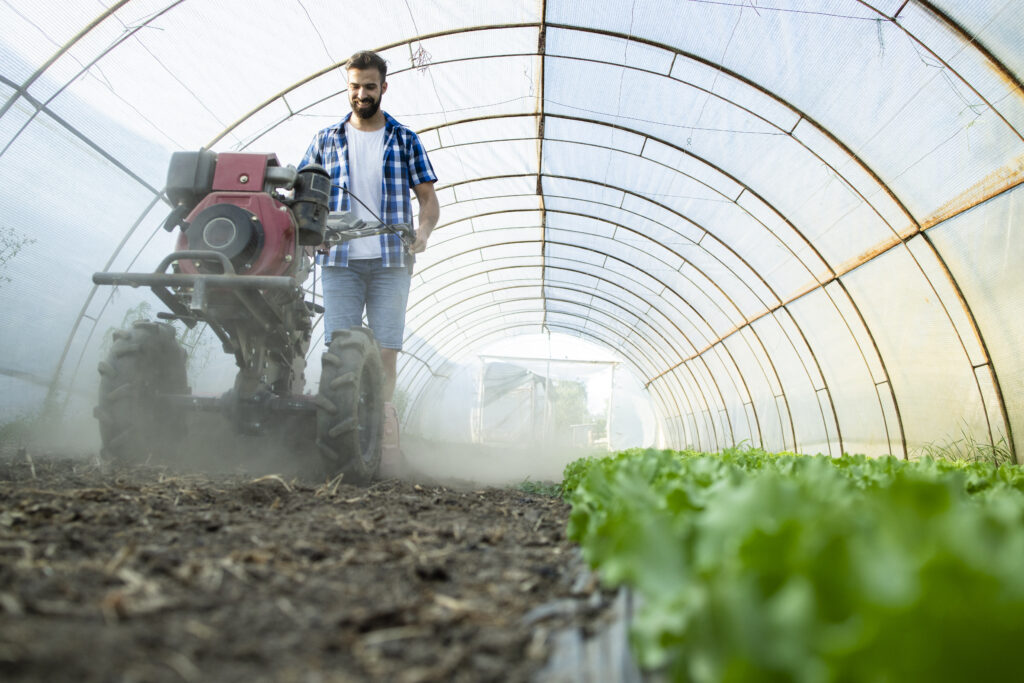
The next generation of irrigation systems will integrate blockchain for water tracking. AI will be used for crop-specific models. Drones will conduct aerial analysis. The goal is clear: make every drop count and every farm smart. The combination of technology, data, and sustainability will define the future of global agriculture.
Transforming Traditional Irrigation Practices
Traditional irrigation systems often relied on guesswork, leading to massive water waste and uneven crop growth. With smart irrigation, farmers now use automated valves. They employ connected pumps and sensors. These tools precisely deliver water based on real-time field conditions. This level of precision improves crop uniformity. It also ensures sustainability in regions where water scarcity is becoming a national concern.
The Rise of Connected Farming
Connectivity has become the backbone of modern agriculture. Smart irrigation integrates with IoT devices and cloud platforms to create a “connected farm.” Farmers receive instant alerts about soil moisture, weather changes, and irrigation system performance, directly on their smartphones. This constant feedback loop enables better decisions and less dependency on manual monitoring.
The Role of Big Data in Irrigation Decisions
Big Data plays a crucial role in optimizing water use. Smart irrigation platforms analyze patterns from thousands of sensors, satellites, and field cameras. They identify the exact water requirements for each plant type, soil composition, and climate zone. This data-driven approach saves millions of liters annually while maintaining crop health.
4. Integration of AI with Precision Agriculture
Artificial Intelligence has taken smart irrigation to the next level. Modern systems use AI algorithms to predict water needs based on historical data, plant type, and local weather forecasts. As AI continues to evolve, irrigation systems will become self-learning, adapting to crop behavior over time for unmatched efficiency.
How Weather-Based Systems Improve Efficiency
Weather-based irrigation systems collect real-time atmospheric data. They monitor temperature, humidity, wind, and solar radiation. This data helps adjust watering schedules. These systems adapt dynamically to natural changes. This adaptation reduces water waste. It also maintains ideal soil conditions for plant roots.
Smart Irrigation in Greenhouses
Greenhouses require a delicate balance of humidity and moisture. Smart irrigation systems provide automated misting and drip functions that respond to air and soil sensors. As a result, farmers can control microclimates with pinpoint precision, leading to healthier plants and consistent yields throughout the year.
The Environmental Impact of Efficient Irrigation
Beyond productivity, smart irrigation contributes significantly to environmental conservation. By minimizing runoff and deep percolation, it reduces soil erosion and protects nearby water bodies from chemical pollution. This makes it a key tool in achieving the UN’s Sustainable Development Goals (SDGs).
The Role of Renewable Energy in Smart Irrigation
Many modern irrigation systems now run on solar or hybrid energy. Solar-powered pumps and sensors drastically lower operational costs and carbon emissions. This combination of clean energy and smart control makes the technology both sustainable and accessible, even in remote rural areas.
Case Study: Morocco’s Smart Water Projects
In Morocco, several agricultural regions are embracing IoT irrigation networks. Projects in Souss-Massa and Marrakech-Safi have introduced connected drip systems that monitor humidity and soil levels via cloud dashboards. These innovations have boosted water efficiency by up to 45%, proving the value of smart technology in semi-arid environments.
Training Farmers for the Digital Era
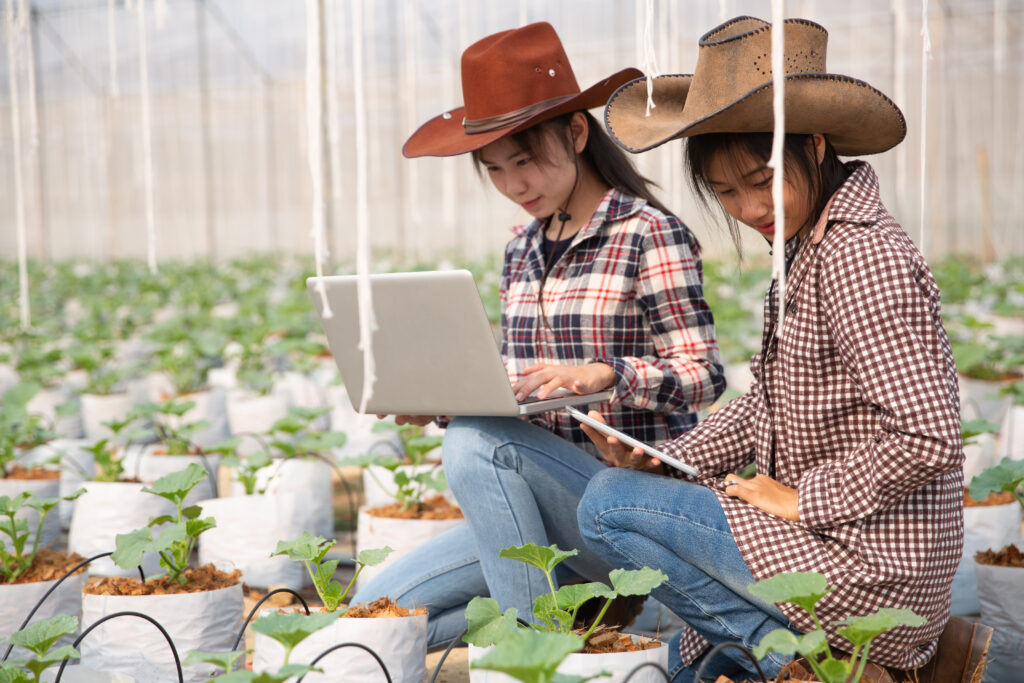
Technology alone is not enough — farmers need knowledge. Many international programs now train local farmers in using digital irrigation systems, mobile apps, and analytics dashboards. Empowering farmers with tech literacy ensures sustainable adoption and long-term benefits.
Integration with Smart Fertigation
Smart irrigation systems can be combined with fertigation — the process of applying fertilizers through water. Automated dosing ensures each plant gets the right nutrients at the right time. This dual management system improves both soil fertility and nutrient efficiency.
Impact on Small and Medium-Sized Farms
Contrary to popular belief, smart irrigation isn’t just for big corporations. Affordable IoT sensors and open-source software have made it possible for small and medium farms to join the digital revolution. Governments and startups are offering subsidies to encourage adoption across rural communities.
Real-Time Mobile Management
Farmers today can manage their irrigation systems from mobile apps. Whether in the field or at home, they can adjust watering schedules. They can view performance graphs. They also receive alerts about pump failures. This convenience drastically reduces downtime and boosts operational efficiency.
Reducing Labor Costs Through Automation
One of the biggest advantages of smart irrigation is automation. By replacing manual control with intelligent systems, farms can reduce labor costs by 20–30%. The system operates autonomously, freeing workers to focus on more strategic tasks like harvesting or logistics.
Challenges of Connectivity in Rural Zones
Despite its advantages, connectivity remains a challenge in some regions. Many farms lack stable internet access, which is essential for cloud-based irrigation systems. Emerging solutions like LoRaWAN networks and satellite connectivity are now bridging this gap, ensuring that even isolated areas can benefit.
Integration with Climate Forecasting Systems
By linking smart irrigation with climate forecasting, farmers can make long-term water plans. Predictive algorithms use seasonal weather data to calculate the water budget for upcoming months, optimizing irrigation and preventing shortages.
The Economic Multiplier Effect

The benefits of smart irrigation extend beyond water savings. They create an economic multiplier effect — higher crop yields mean better market competitiveness, more exports, and stronger food security. As agriculture becomes more profitable, rural development accelerates.
Smart Irrigation and Sustainable Livelihoods
In developing regions, smart irrigation has become a lifeline for thousands of families. It improves efficiency, enabling farmers to grow more crops with less water. This stabilizes income and ensures food supply even during droughts.
How Governments and Startups Are Collaborating
Public-private partnerships are driving the adoption of smart irrigation. Governments provide financial incentives and infrastructure, while startups bring innovation and affordable hardware. This collaboration ensures scalability and nationwide reach.
Looking Ahead: The Next Generation of Irrigation
The next generation of irrigation systems will integrate blockchain for water tracking. It will also use AI for crop-specific models. Additionally, drones will be used for aerial analysis. The goal is clear: make every drop count and every farm smart. The combination of technology, data, and sustainability will define the future of global agriculture.
Conclusion
Smart irrigation technology for farms is more than a trend — it’s a necessity. It combines science, sustainability, and innovation to help farmers grow more with less. As climate change continues to challenge agriculture, embracing intelligent water management is key to securing food for the next generations.