Table of Contents
Introduction: The New Era of Smart Farming
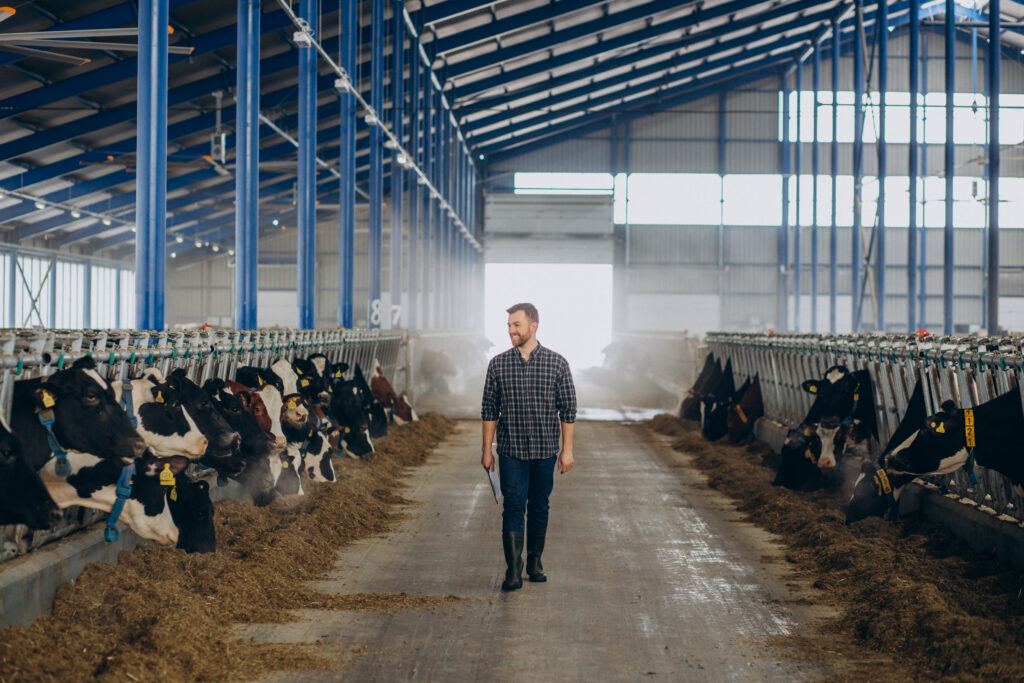
American livestock farming is entering a bold new era. As climate challenges, labor shortages, and sustainability demands grow, technology is stepping in to redefine animal agriculture. The rise of Precision Livestock Farming (PLF) is transforming farming practices. It is a convergence of artificial intelligence (AI), data analytics, and Internet of Things (IoT) sensors. Farmers are now changing how they monitor, feed, and care for animals. Across U.S. ranches and dairy farms, the shift from traditional observation to data-driven precision is changing both productivity and sustainability forever.
What Is Precision Livestock Farming?
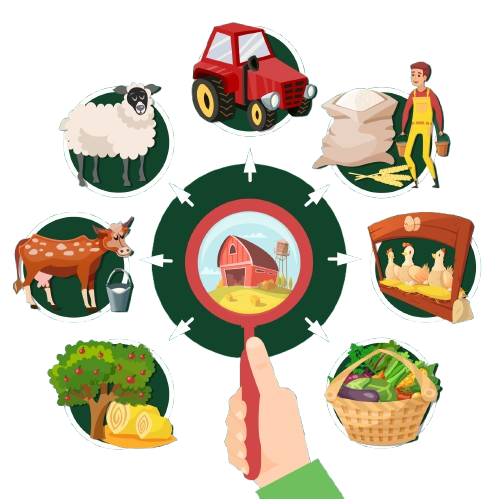
Precision Livestock Farming (PLF) uses digital technologies, sensors, and AI to monitor the health, welfare, and performance of individual animals. This monitoring happens in real time. Rather than treating the herd as a whole, PLF gives each animal its own digital profile. It tracks movement, feeding habits, temperature, reproduction cycles, and more.
Smart collars and ear tags send continuous data to the cloud. Automated feeding systems adjust rations based on each cow’s metabolism. PLF allows farmers to make informed, evidence-based decisions. This method replaces guesswork.
AI and Machine Learning: The Brain Behind Smart Livestock Monitoring
At the heart of PLF lies Artificial Intelligence (AI). Using machine learning algorithms, AI platforms can detect diseases early, forecast milk yields, and even predict calving events.
For instance, in U.S.dairy farms across Wisconsin and California, AI-powered vision systems examine cows’ body condition, gait, and posture. They identify stress or illness before visible symptoms appear. This early detection saves farmers time, reduces treatment costs, and improves animal welfare—core values in modern sustainable farming.
AI doesn’t just observe—it learns. The more data it collects, the smarter it becomes. This creates a self-improving system. It helps farmers adapt to changing conditions, diets, and production targets.
The Internet of Things (IoT): Connecting the Barnyard to the Cloud
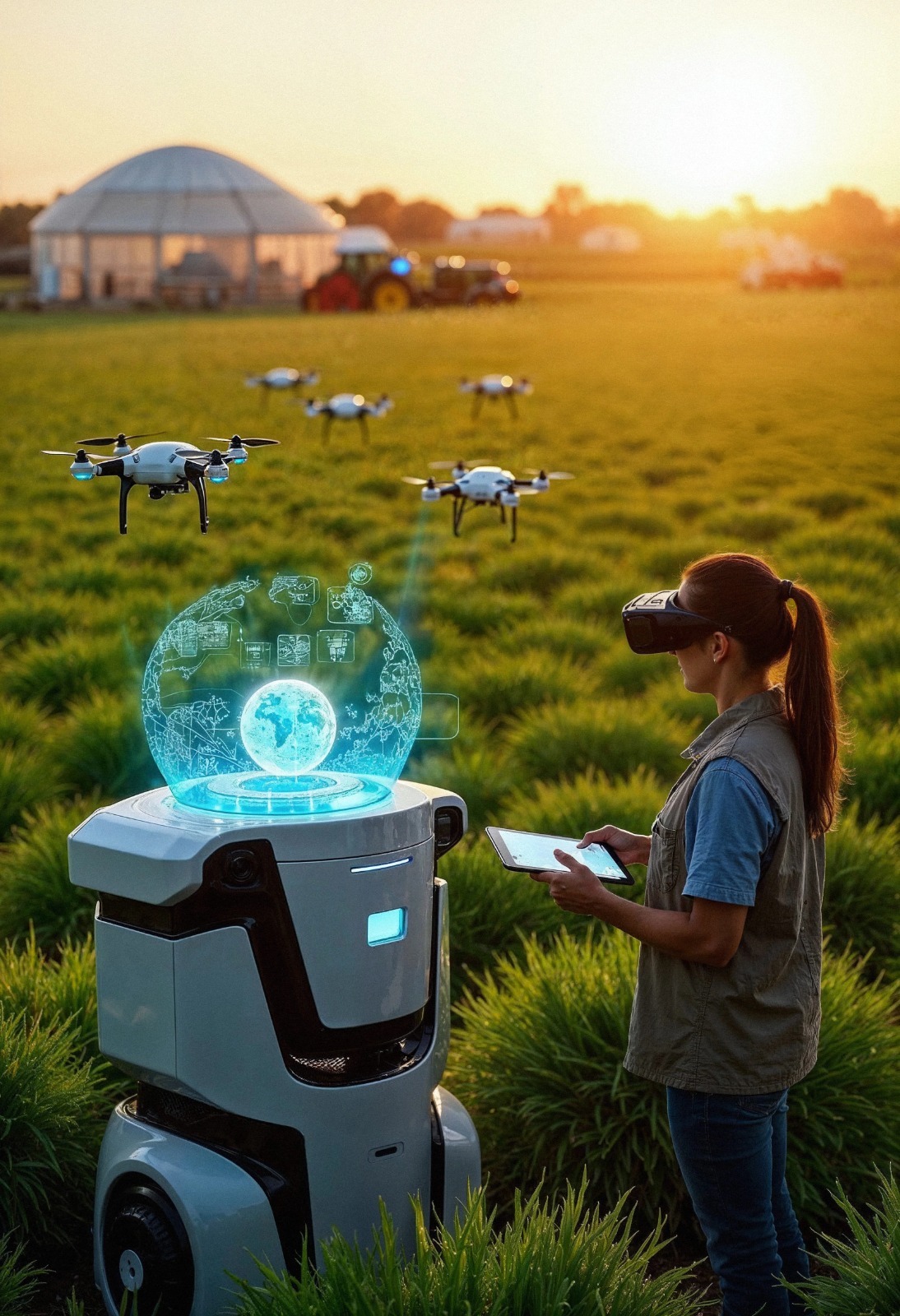
The Internet of Things (IoT) connects all these devices into a seamless data ecosystem. Smart sensors, ear tags, and climate controllers constantly send information to central dashboards, accessible through mobile apps or tablets.
In Texas and Montana, ranchers now use GPS-connected collars that track herd movement across open rangelands. These devices ensure animals stay within grazing limits. They also prevent overgrazing. Meanwhile, IoT-driven ventilation systems in modern dairy barns adjust airflow, humidity, and temperature automatically. These adjustments create optimal comfort conditions. They also lower electricity costs.
IoT technology ensures that every animal is visible, measurable, and manageable, no matter how vast the operation. It bridges the gap between traditional hands-on farming and digital precision.
Comparison Table: Traditional vs. Precision Livestock Farming
| Aspect | Traditional Livestock Farming | Precision Livestock Farming |
|---|---|---|
| Animal Monitoring | Manual observation | Continuous AI-based tracking |
| Disease Detection | After symptoms appear | Early prediction through sensors |
| Feed Management | Group-based feeding | Individualized smart feeding |
| Labor Demand | High manual workload | Reduced through automation |
| Environmental Impact | Less control on emissions | Data-driven emission reduction |
| Decision Making | Based on experience | Based on real-time analytics |
This table highlights how PLF provides smarter, faster, and more sustainable management, directly addressing both profitability and environmental responsibility.
Environmental Sustainability: Reducing the Carbon Hoofprint
One of the strongest arguments for PLF in the U.S. is its potential to cut greenhouse gas emissions. Livestock contributes roughly 25% of U.S. agricultural emissions, and precision technologies are offering real solutions.
Smart feeding systems optimize nutrition, reducing methane emissions per unit of milk or meat. AI-powered systems can identify animals with high emission rates, allowing for selective breeding and dietary adjustments. Additionally, IoT-enabled waste management systems track manure output, ensuring proper recycling or conversion into bioenergy.
In states like California, where environmental regulations are strict, precision systems have become indispensable. Automated cooling systems activate only when heat stress thresholds are reached, saving both water and energy. This blend of ecological awareness and digital precision is defining the new standard of animal agriculture.
The Economic Impact of Smart Livestock Management
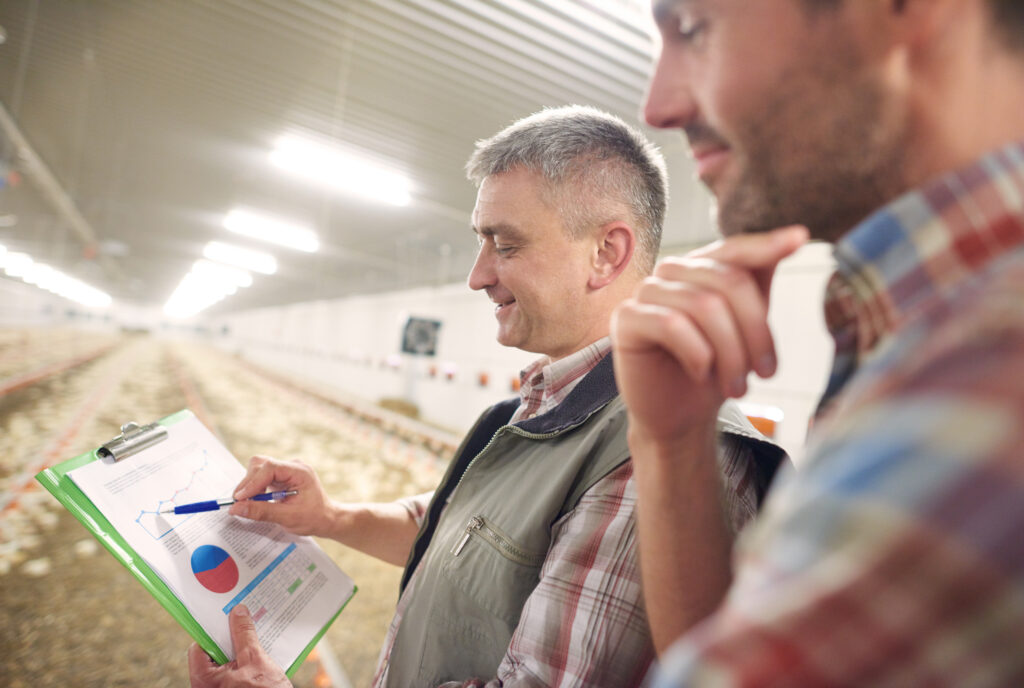
The American livestock sector faces growing economic pressures—rising feed costs, labor shortages, and fluctuating market prices. Precision livestock farming directly addresses these challenges by improving efficiency, productivity, and profit margins.
AI-based platforms analyze feed conversion rates and suggest optimal diets to maximize milk yield while minimizing waste. Automated milking robots reduce labor costs and increase consistency. Predictive analytics forecast herd productivity, helping farmers make smarter long-term financial decisions.
Market research projects the North American PLF market to exceed several billion dollars by 2030, driven by U.S. dairy and beef sectors. For investors and agribusiness leaders, this marks a major growth frontier in AgTech.
Challenges and Future Outlook
Despite its potential, PLF still faces barriers in the U.S. adoption curve. Equipment costs can be high for small farms, and rural areas may lack reliable internet connectivity. Moreover, questions around data ownership and privacy continue to grow—who controls the animal data: the farmer or the tech provider?
Fortunately, universities like Texas A&M and Iowa State are offering specialized programs. These programs train farmers in digital agriculture and AI integration. As technology prices drop and connectivity improves, accessibility will expand rapidly.
Looking ahead, PLF is expected to merge even more with blockchain for traceability. It will also integrate with edge computing for faster on-site data processing and genetic analytics for breeding optimization. The livestock farm of the future will be a hybrid ecosystem—part biology, part digital intelligence.
The Role of Data Analytics and Cloud Platforms in Livestock Management
As U.S. livestock farms become more connected, the true power of Precision Livestock Farming lies in understanding the data. It is not just about collecting it. Every sensor, camera, and ear tag produces thousands of data points per animal, per day. Turning that raw information into meaningful insight requires advanced data analytics and robust cloud computing infrastructure.
Cloud platforms have become the backbone of modern livestock management. American farms no longer store data locally. They now send massive streams of animal behavior, health, and environmental data to secure cloud servers. These systems process and analyze information in real time, identifying patterns that would otherwise go unnoticed. A sudden spike in body temperature or reduced feeding activity can instantly trigger alerts. Abnormal movement may also cause immediate alerts. This allows farmers to intervene before health or productivity issues escalate.
Big data analytics takes this process further. By aggregating years of herd data, predictive algorithms can forecast milk production, reproductive cycles, or potential disease outbreaks. Farmers can then use this intelligence to adjust feed formulas, breeding schedules, or veterinary plans. The result is a more proactive and profitable system—one that improves herd welfare while optimizing operational efficiency.

In states like Iowa, dairy cooperatives have integrated data analytics platforms. Cloud-based dashboards allow multiple farms to share anonymized insights. This collaboration creates regional knowledge networks that accelerate innovation and resilience across the entire livestock supply chain. Shared temperature and humidity data can help forecast heat stress events in real time. This helps multiple ranches respond before production drops.
Moreover, the integration of cloud and edge computing is enabling faster responses. Edge devices—small processors located on-site—can analyze sensor data immediately, even in regions with weak internet connections. This hybrid approach ensures that farmers always have access to vital information, no matter how remote their location may be.
Security and data governance are also gaining importance. U.S. cloud providers in the agri-tech sector adopt strict data protection frameworks. This ensures farmers retain full ownership of their livestock information. Transparent contracts are building trust. Blockchain verification contributes significantly. Encrypted data flows enhance security in a sector where privacy concerns were once a barrier to adoption.
Ultimately, data analytics and cloud platforms are the silent engines driving Precision Livestock Farming forward. They turn digital noise into actionable intelligence, helping American farmers manage their herds with precision, foresight, and confidence. The more data the system learns from, the more adaptive it becomes. It creates a self-evolving ecosystem that mirrors the complexity of life itself. This environment is now powered by algorithms and connectivity.
Precision Livestock Farming and Animal Welfare: A Smarter Path to Ethical Farming
Precision Livestock Farming offers significant advantages. It has the potential to redefine animal welfare standards across the U.S. Farmers can now rely on real-time data collected from sensors, cameras, and wearable devices. They no longer depend on periodic visual inspections. These tools provide continuous updates about each animal’s activity, feeding patterns, and physical condition. With this level of detail, farmers can immediately detect early signs of stress, lameness, or disease—long before symptoms become visible.
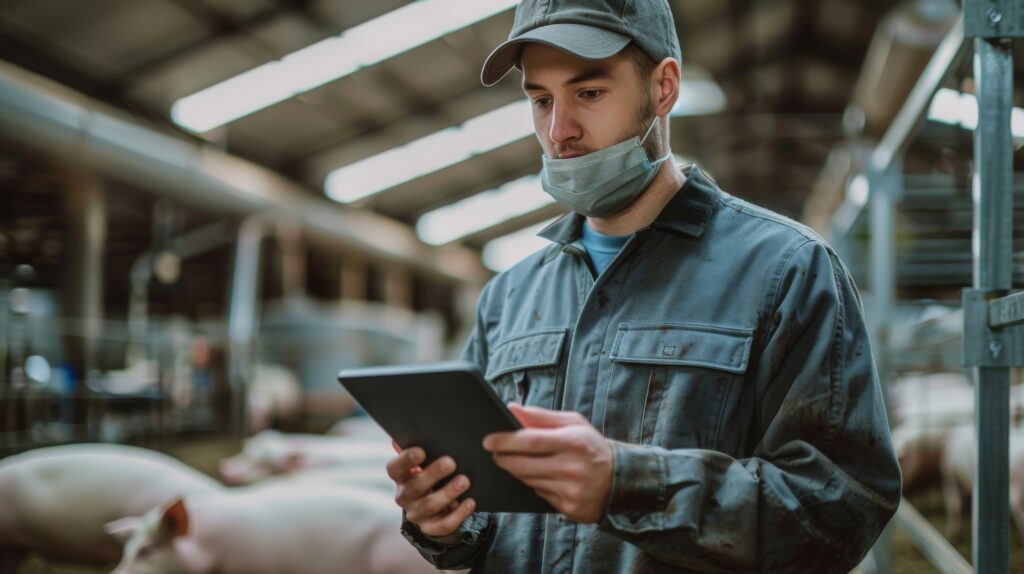
In practical terms, this means healthier herds and reduced use of antibiotics. This aligns perfectly with the growing consumer demand for ethically sourced animal products. Major dairy producers are integrating precision welfare monitoring systems. Beef cooperatives are also implementing these systems. These systems automatically adjust feed, lighting, and temperature to maintain animal comfort. AI-based prediction models and sensor data are working together to make animal welfare a measurable indicator of quality. It is now a science-backed criterion rather than a vague moral claim.
Precision Feeding Systems: Maximizing Nutrition Through Data Intelligence
Feeding represents nearly 70% of operational costs in livestock farming, and this is where precision feeding systems deliver massive value. Farmers use connected feeders and smart nutrition algorithms. They can deliver individualized rations for each cow, sheep, or goat. This is based on real-time data about their metabolism, milk yield, and growth stage.
In advanced U.S. dairy farms, IoT-connected feeders communicate directly with AI analytics platforms to adjust rations automatically. For instance, if a cow shows signs of reduced rumination or energy imbalance, the system can instantly modify feed composition. This not only enhances productivity but also minimizes waste, improving feed efficiency and reducing environmental footprint. As sustainability becomes central to U.S. agriculture policy, Precision Livestock Farming solutions are becoming crucial in feeding optimization. These solutions are critical tools for the future of responsible animal production.
Data-Driven Breeding: How Precision Livestock Farming Enhances Genetics
Beyond health and feeding, precision technologies are also transforming how American farmers approach breeding. Precision systems use real-time reproductive data and genetic analytics. They can identify the most fertile animals. They also predict ideal breeding windows. Additionally, they recommend genetic pairings for superior offspring.
AI models trained on millions of data points can detect subtle hormonal and behavioral changes that humans would miss. For example, motion sensors can track increased activity associated with estrus, triggering timely breeding alerts. Over time, these digital insights lead to more productive and resilient herds. They help farmers build genetic lines optimized for milk yield. They also enhance growth rate and environmental adaptability. In short, Precision Livestock Farming is creating the foundation. It supports a new generation of high-performance animals driven by science, not chance.
Precision Livestock Farming and Climate-Resilient Agriculture
The United States faces the growing threat of droughts and temperature swings. Unpredictable weather patterns also pose a challenge. Precision Livestock Farming is emerging as a key strategy for climate resilience. Through continuous data monitoring, farms can track the impact of heat stress, water scarcity, and environmental shifts in real time. AI-powered climate modules analyze these inputs. They suggest adaptive responses to maintain productivity under stress conditions. These suggestions include modifying ventilation rates, hydration schedules, or feed density.
Precision data collection helps government and corporate sustainability programs. It provides verifiable metrics on emissions, energy use, and resource efficiency. In the long term, this will be crucial for meeting national carbon reduction targets. It will also enhance transparency across food supply chains. By adopting smart livestock monitoring systems, U.S. farmers are not only protecting their herds but also contributing to the country’s broader environmental goals.
Economic Empowerment Through Precision Livestock Farming
The digital transformation of livestock farming is not only technological—it’s economic. Small and medium-sized farms in states like Texas, Wisconsin, and Nebraska are using precision livestock farming tools. This allows them to compete on the same level as large-scale corporations. Subscription-based sensor networks and cloud analytics have made access affordable and scalable, removing the need for massive upfront investments.
These tools give farmers financial visibility like never before. With automated reporting, predictive analytics, and cost-optimization insights, decision-making becomes data-driven and strategic. Banks and agricultural lenders are also beginning to integrate precision data into their risk assessments. They offer better loan terms to farms that demonstrate efficient, sustainable operations. The result is a more resilient agricultural economy—one that blends tradition, innovation, and profitability through the power of digital intelligence.
Conclusion: The Future of Animal Agriculture Is Data-Driven
Precision Livestock Farming represents more than innovation—it’s the blueprint for a sustainable and resilient livestock industry in the United States. By merging AI, IoT, and data analytics, farmers can achieve better animal welfare, higher yields, and a smaller environmental footprint.
As digital agriculture accelerates, one truth becomes clear. The next generation of American farmers will be as skilled with data dashboards as they are with feed buckets. The future of livestock farming is not only smart—it’s precision-powered.