Table of Contents
Introduction: What Is AgriAgri and Why It Matters
In the 21st century, agriculture has evolved from being a simple cultivation process to becoming a data-driven ecosystem. The term Agri Agri represents this transformation. It is a movement that connects technology, sustainability, and innovation. This movement aims to reimagine how the world grows food.
At Agri Globa, Agri Agri is not just a word. It’s a philosophy. It embraces smart solutions to address global food challenges. The planet’s population is increasing rapidly, and by 2050, the world will need to produce 70% more food than today. To achieve that, we need intelligent, connected, and efficient farming systems.
From artificial intelligence to digital platforms, Agri Agri bridges traditional farming wisdom with cutting-edge technology. It empowers farmers to produce more with less. They use less water, waste, and cause less environmental damage. At the same time, they increase yields and profitability.
From Traditional to Digital: The Agri Agri Revolution
Traditional agriculture was built on human intuition and experience. Farmers relied on generations of knowledge, manual tools, and weather patterns to guide their work. While effective in the past, this system can no longer sustain the demands of modern society.
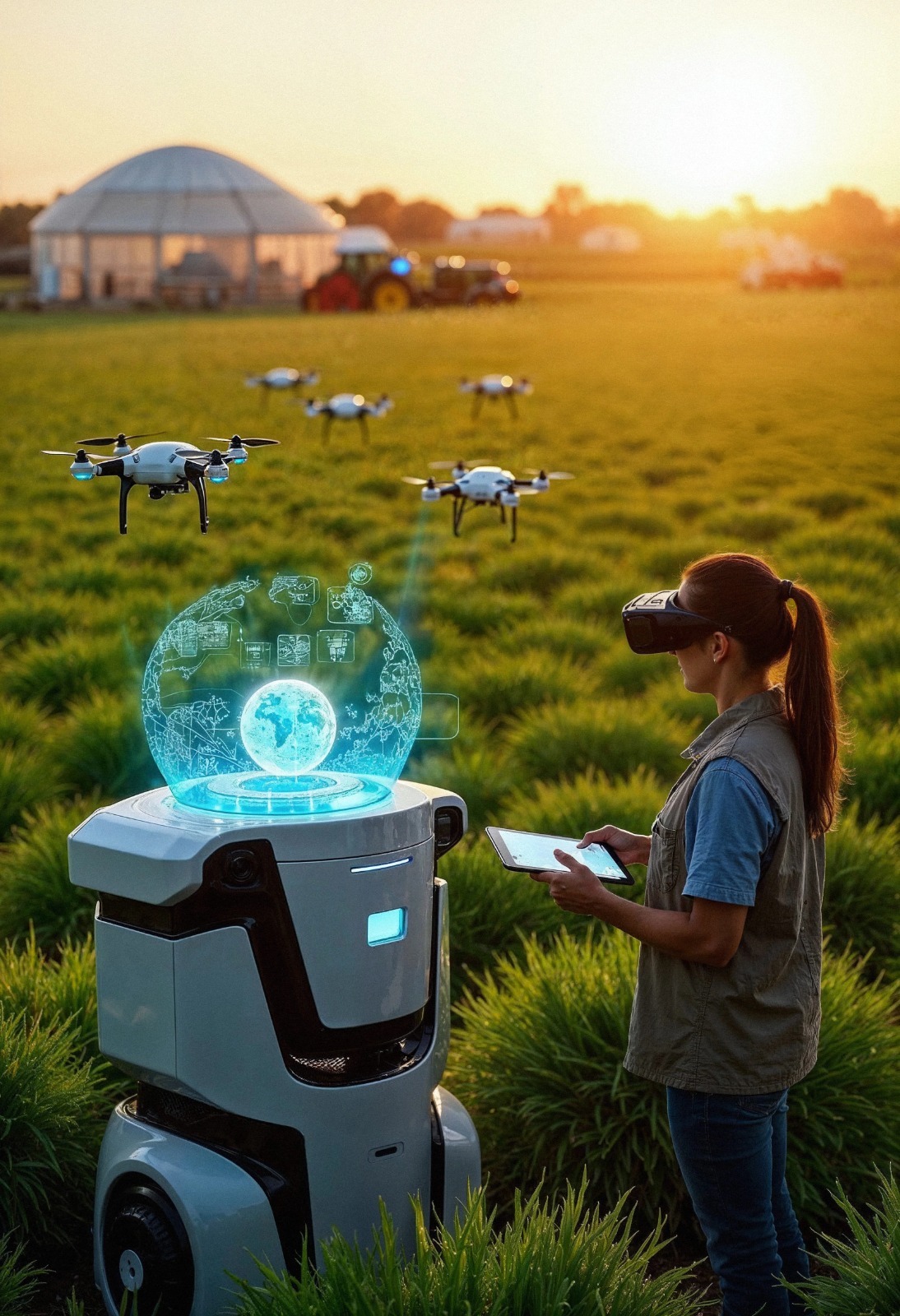
That’s where Agri Agri steps in. It combines centuries of farming expertise with modern tools such as drones, IoT sensors, cloud computing, and AI-based analytics. With the help of FAO’s Digital Agriculture Platform and Google Earth Engine, farmers can monitor land use. They can also track rainfall and assess soil health in real-time.
The Agri Agri revolution introduces:
- Smart irrigation systems that adapt automatically to soil moisture levels.
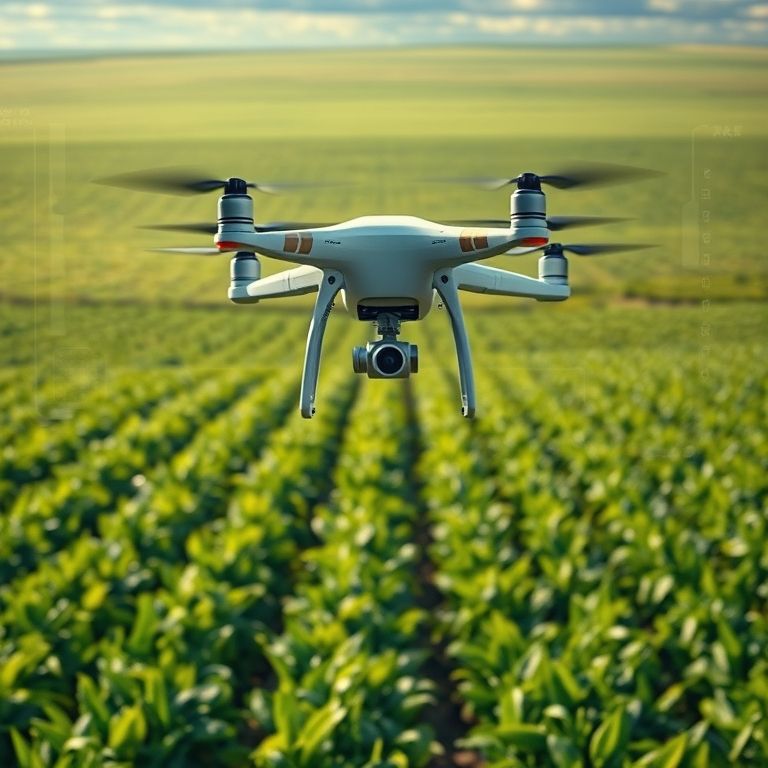
- Remote sensing drones that monitor plant health.
- Blockchain-based traceability for transparent food supply chains.
These technologies don’t just improve productivity — they redefine the relationship between humans and the land. Agriculture is no longer reactive; it’s predictive, data-driven, and sustainable.
Precision Farming and Data-Driven Decisions
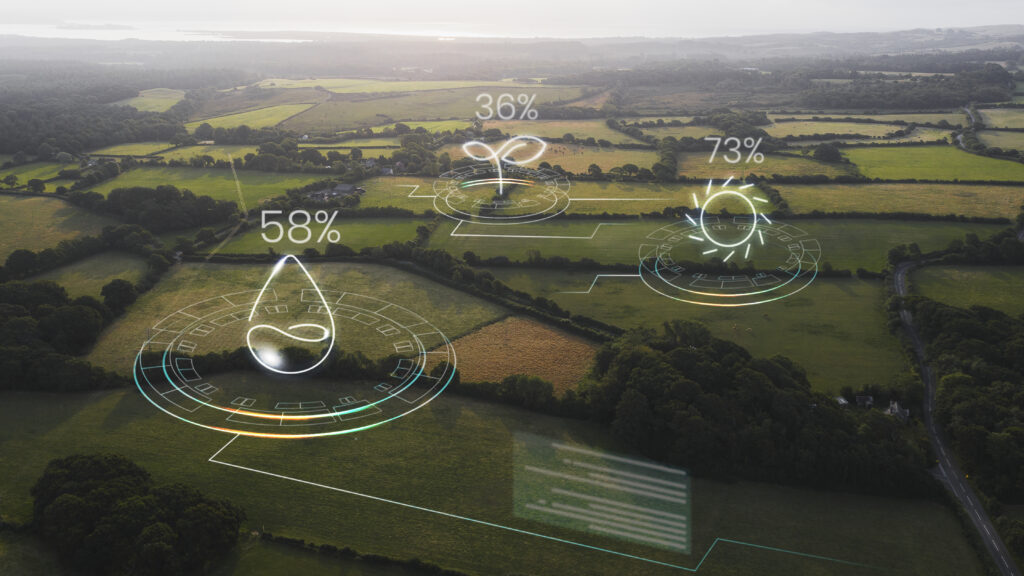
At the core of Agri Agri lies precision farming — the art and science of managing farms with exact data. Sensors and satellite imagery gather information on soil nutrients, plant growth, and water use. This allows farmers to make informed decisions that save resources and maximize output.
For example, AI models can predict which crops will perform best in specific regions. Farmers use machine learning to detect early signs of pest infestations and act before the problem spreads. According to The World Bank’s Digital Agriculture Report, precision agriculture increases yield by up to 40%. It also reduces water and fertilizer use by 30%.
At Agri Globa, we showcase innovators and startups using these tools to create sustainable farms. Agri Agri is not only about technology — it’s about making farming smarter, more profitable, and more environmentally friendly.
AI, IoT, and Robotics: The Core of Agri Agri Innovation
Artificial Intelligence and IoT devices are the engines driving the Agri Agri revolution. Smart sensors placed across fields measure soil pH, temperature, and humidity in real-time. AI algorithms process this data, detect anomalies, and recommend corrective actions.
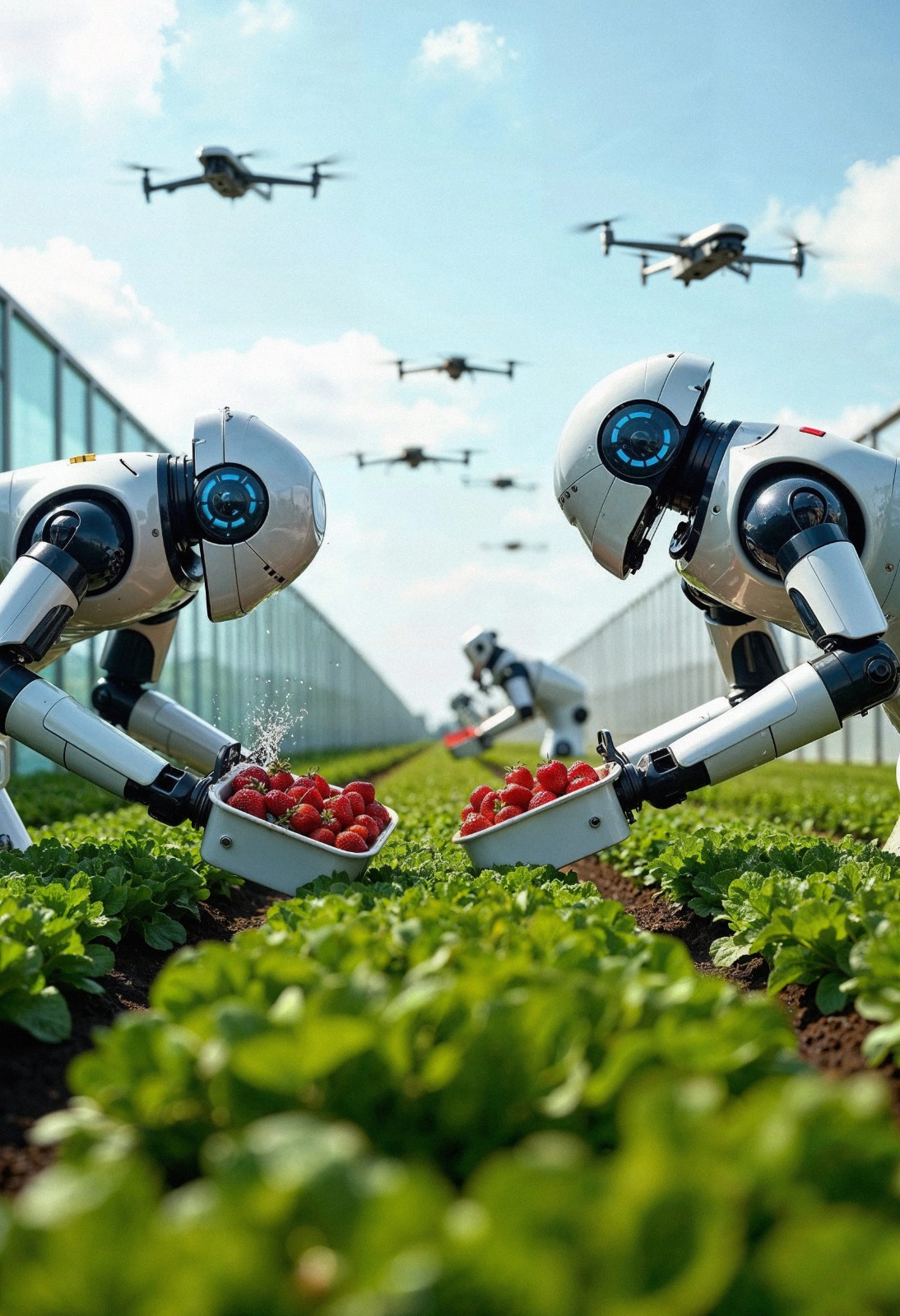
Robotic systems can now plant seeds, spray fertilizers, and even harvest crops autonomously. Companies like John Deere, Ceres Imaging, and IBM AgriTech are pioneering these technologies. Through predictive analytics, farmers can prevent losses before they happen and maintain stable production even under unpredictable climate conditions.
This digital transformation is creating a new generation of “tech farmers.” These individuals combine agronomy knowledge with coding. They also use data analysis and robotics.
Sustainability: Building a Greener Food System
Sustainability is at the heart of Agri Agri. Modern agriculture must not only feed the world but also protect the planet. That means using renewable energy, reducing carbon emissions, and promoting biodiversity.
Through the adoption of smart systems, farmers can monitor their carbon footprint and make greener choices. For instance:
- Using solar-powered irrigation reduces dependency on fossil fuels.
- Composting and organic fertilizers enhance soil health naturally.
- Crop rotation supported by AI prevents soil degradation.
According to UN Environment, sustainable farming could reduce greenhouse gas emissions by up to 25% by 2030. Agri Agri integrates these solutions, promoting eco-conscious farming that balances productivity and environmental health.
Agri Agri and Climate-Smart Agriculture
Climate change is one of the biggest threats to global food security. Extreme weather, floods, and droughts have made farming unpredictable. Agri Agri provides the tools needed to adapt to these challenges.
Climate-smart agriculture (CSA) focuses on three main goals:
- Increasing productivity sustainably.
- Building resilience to climate shocks.
- Reducing greenhouse gas emissions.
Farmers using AI-powered models can plan planting seasons according to climate forecasts. They can manage water resources efficiently. Additionally, they can adopt drought-resistant crop varieties. Platforms like CGIAR Climate Portal help farmers access global climate data to make better decisions.
Digital Platforms Empowering Farmers Worldwide
One of the strongest elements of Agri Agri is the rise of digital platforms connecting farmers, suppliers, and consumers. These platforms offer marketplaces, training, and access to financing.
Through Agri Globa’s Digital Hub, farmers can:
- Learn about new agri-tech innovations.
- Find suppliers and buyers online.
- Access precision tools and farm management systems.
External platforms like AgroMarketplace and Digital Green are examples of how technology bridges rural communities to global markets. The result is more inclusion, transparency, and opportunity.
Case Studies: Successful Agri Agri Projects Around the World
Kenya – AI for Maize Farmers
In Kenya, local startups use mobile apps powered by AI to help maize farmers diagnose crop diseases through photos. This reduces losses and improves yield quality.
India – IoT Irrigation Systems
Indian farmers are adopting IoT-based irrigation systems that monitor moisture levels and automate watering. Water consumption has dropped by 35%, and yields have risen by 20%.
Morocco – Digital Olive Farms
In Morocco, Agri Agri principles are being applied to olive farming. Sensors and drones track water efficiency and tree health. These technologies improve oil quality and reduce waste. This aligns perfectly with Agri Globa’s mission to promote sustainable agriculture in Africa.
Netherlands – Smart Greenhouses
Dutch farmers use fully automated greenhouses managed by AI to control light, humidity, and nutrients. This innovation allows for 24/7 food production with minimal human input.
The Role of Governments and Startups in Agri Agri
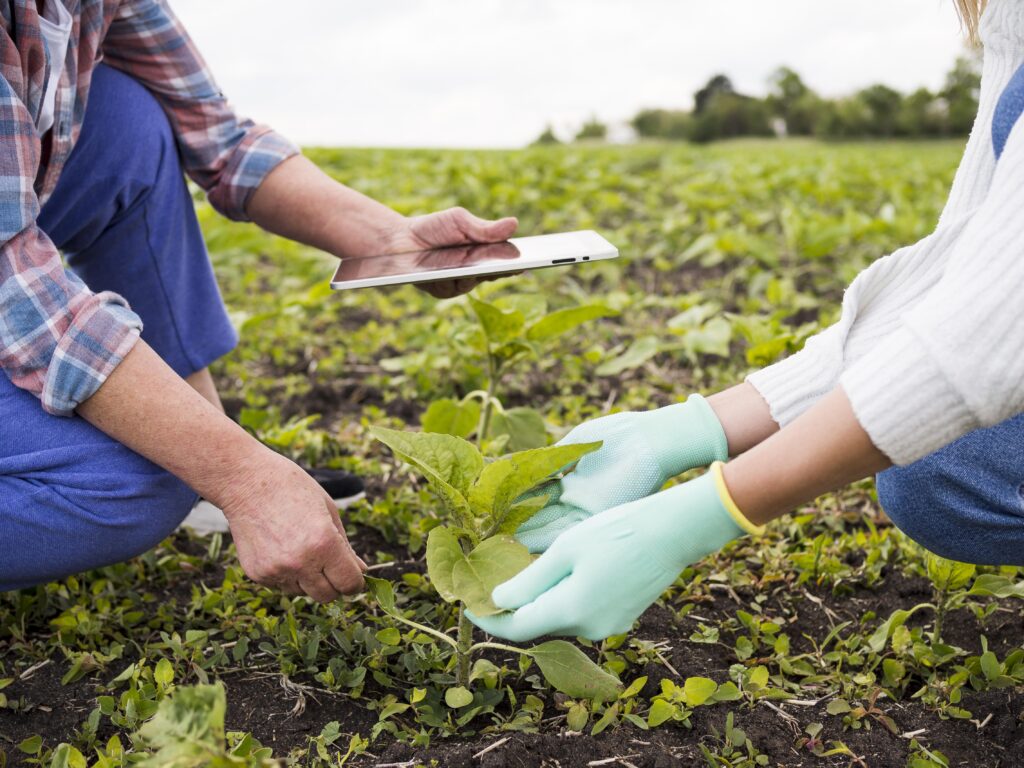
The future of agriculture depends on collaboration. Governments, universities, and private startups must work together to expand the Agri Agri ecosystem.
Public-private partnerships encourage innovation, training, and funding for small farmers. The European Union’s Smart AgriFood Program is a strong example of institutional change. The African Development Bank’s AgriTech Initiative is another example.
Startups play an essential role by creating new tools, while governments ensure access, education, and digital infrastructure.
The Future of Agri Agri: Trends to Watch in 2025 and Beyond
Looking forward, Agri Agri will continue to evolve with technologies like:
- AI-driven crop forecasting for global supply chain stability.
- Blockchain traceability to ensure food transparency.
- Agri drones for large-scale automated field mapping.
- Vertical farming and hydroponics to optimize space and resources.
By 2030, experts predict that digital farming will represent a $40 billion global industry. Farmers who embrace Agri Agri today will lead the markets of tomorrow.
Economic Impact of Agri Agri on Global Markets
The Agri Agri transformation is not only about improving productivity — it’s reshaping entire economies. In developing regions, digital agriculture creates thousands of jobs in drone maintenance, data analytics, and smart equipment manufacturing.
The World Economic Forum reports provide estimates about digital agriculture. They suggest that it could add over $500 billion to the global economy by 2030. With this growth, small farmers gain access to new markets, global buyers, and export opportunities.
Agri Globa plays a key role in bridging this economic divide. It connects African farmers with the world. This is achieved through technology-driven initiatives.
Mobile Technology and Farmer Empowerment
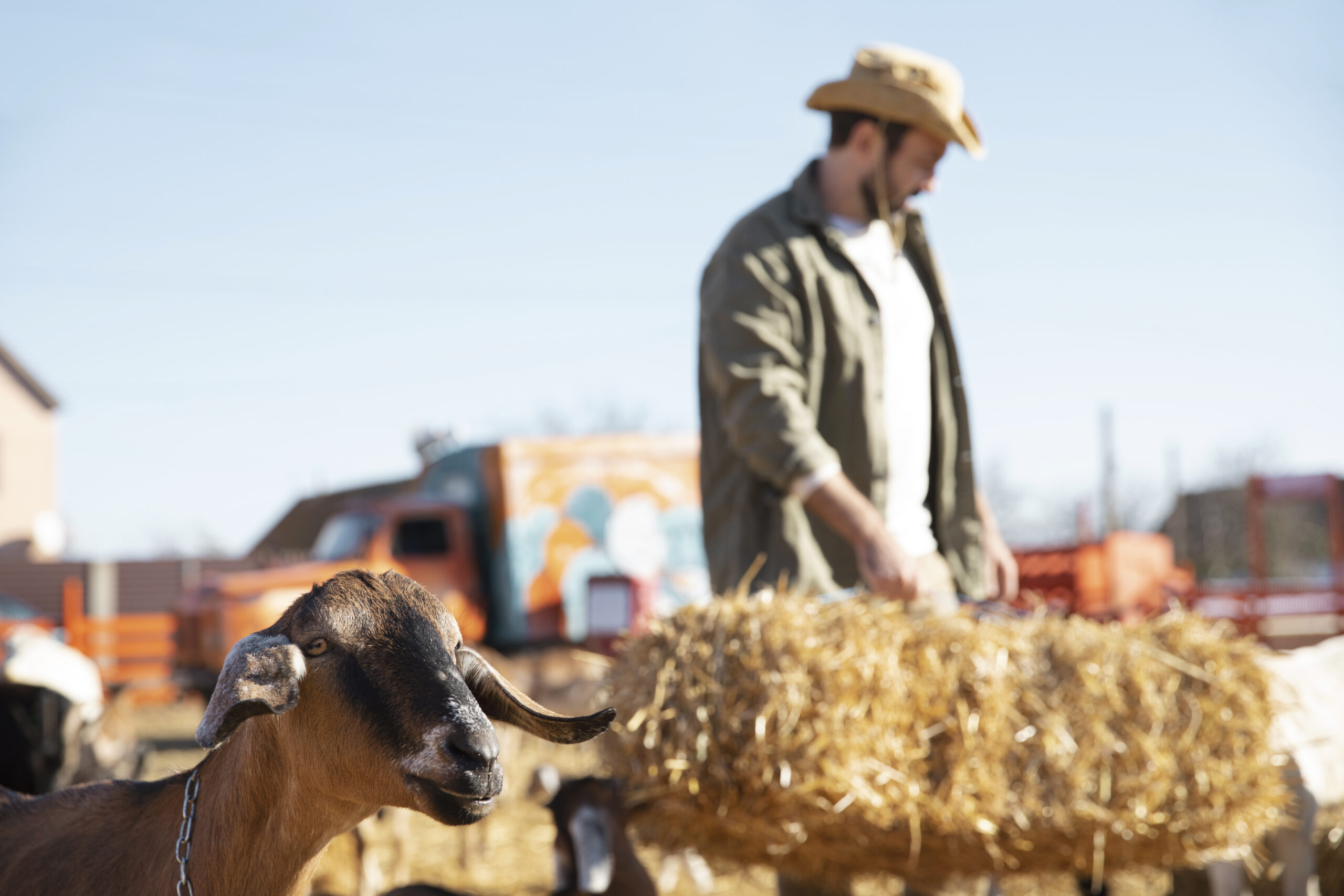
Smartphones are now one of the most powerful tools in agriculture. In many rural regions, mobile-based Agri Agri apps enable farmers to access weather data. These apps also provide training. Farmers can use them to sell their produce online.
Platforms like Digital Green and Agri Globa’s own community app empower millions of smallholders. They provide not only real-time data but also digital literacy, helping farmers make informed choices.
This democratization of information ensures that technology reaches everyone, not just large corporations.
Water Management and Smart Irrigation
Water scarcity is one of the biggest challenges facing agriculture today. Agri Agri innovations like IoT-enabled irrigation systems are helping optimize every drop of water.
Smart irrigation adjusts flow rates based on soil moisture sensors, weather forecasts, and crop type. Studies show that these systems can save up to 50% of water usage while maintaining or improving yield.
Below is a professional table summarizing key Agri Agri technologies and their benefits:
| Technology | Function | Impact on Farming | Adoption Level |
|---|---|---|---|
| AI Crop Monitoring | Detects diseases and pests early | Reduces crop loss by up to 30% | High |
| IoT Smart Irrigation | Automates water use | Saves up to 50% of water resources | Medium-High |
| Drone Mapping | Scans fields for plant health | Improves yield by 20–25% | High |
| Blockchain Traceability | Tracks food from farm to market | Increases transparency and food safety | Growing rapidly |
| Predictive Analytics (AI) | Forecasts crop performance | Reduces risk and improves planning accuracy | High |
Agri Agri in Africa and Emerging Economies
Africa is one of the fastest-growing regions for digital agriculture. In countries like Morocco, Kenya, and Ghana, farmers are adopting Agri Agri systems to improve resilience against climate change.
Projects supported by Agri Globa and FAO are promoting soil digitization, crop mapping, and sustainable irrigation. This shift is helping the continent move from dependency on imports to self-sufficiency through innovation.
In Morocco, precision olive farming and smart irrigation in arid zones demonstrate innovation. Agri Agri has shown how it can turn challenges into opportunities.
Challenges and Barriers to Agri Agri Adoption
Despite its promise, Agri Agri still faces barriers — especially in low-income regions. The cost of sensors, lack of internet coverage, and limited technical training slow adoption.
However, initiatives like Agri Globa’s Learning Center and FAO’s e-Agriculture Program are changing that. They offer free online courses, affordable equipment packages, and farmer-friendly software designed to work offline.
Solving these barriers is key to ensuring that Agri Agri becomes a truly global movement.
Education and the Future Agri Workforce
As technology evolves, so must the workforce. Universities and institutions are integrating Agri Agri courses into their curriculums, focusing on data science, mechatronics, and sustainability.
According to UNESCO, digital agri-education will be critical to feed the next billion people. Agri Agri empowers youth to see agriculture not as a struggle, but as a high-tech, rewarding career path.
Agri Globa is already collaborating with tech institutes to train the next generation of agri-engineers and innovators.
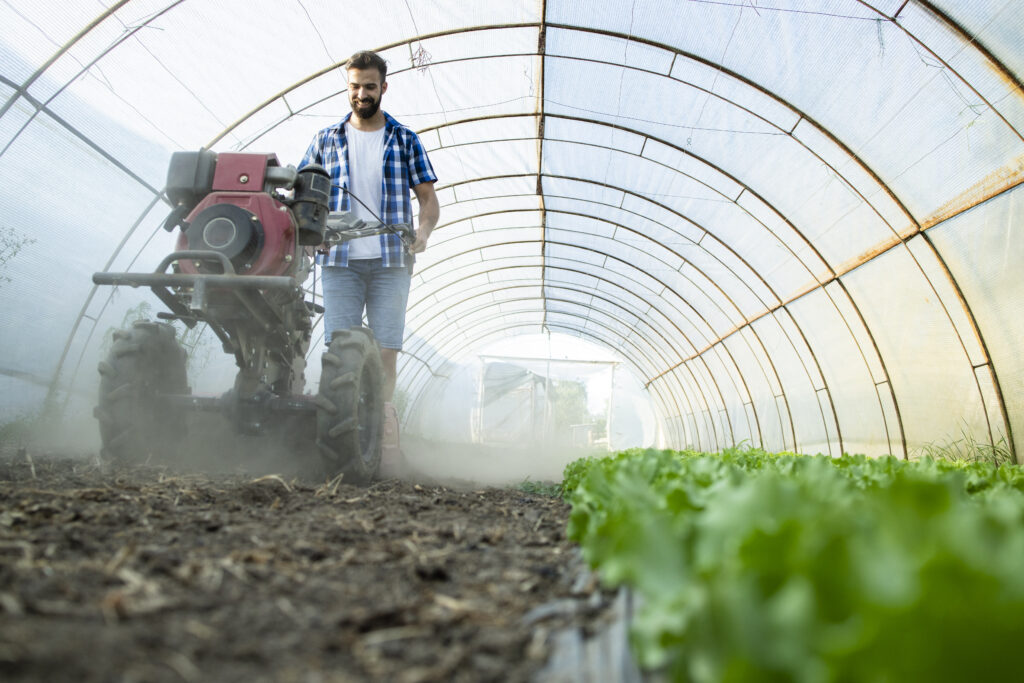
The Integration of Space Technology in Agri Agri
Satellite data has become a vital part of modern agriculture. Through remote sensing and GIS (Geographic Information Systems), farmers can assess crop performance across vast areas.
With platforms like NASA Earth Observatory and Google Earth Engine, farmers and researchers can monitor drought risks. They can also assess soil fertility and track crop cycles with unmatched accuracy.
This “space meets soil” approach is redefining how we understand and manage natural resources globally.
Conclusion: Why Agri Agri Is the Future of Food
The journey from soil to plate is being rewritten by Agri Agri. It’s not just about productivity — it’s about sustainability, data, and collaboration.
At Agri Globa, we are proud to be part of this movement. We connect innovation with agriculture. This helps build a smarter, greener, and more resilient planet.
Join the Agri Agri revolution today — because the future of food starts now.