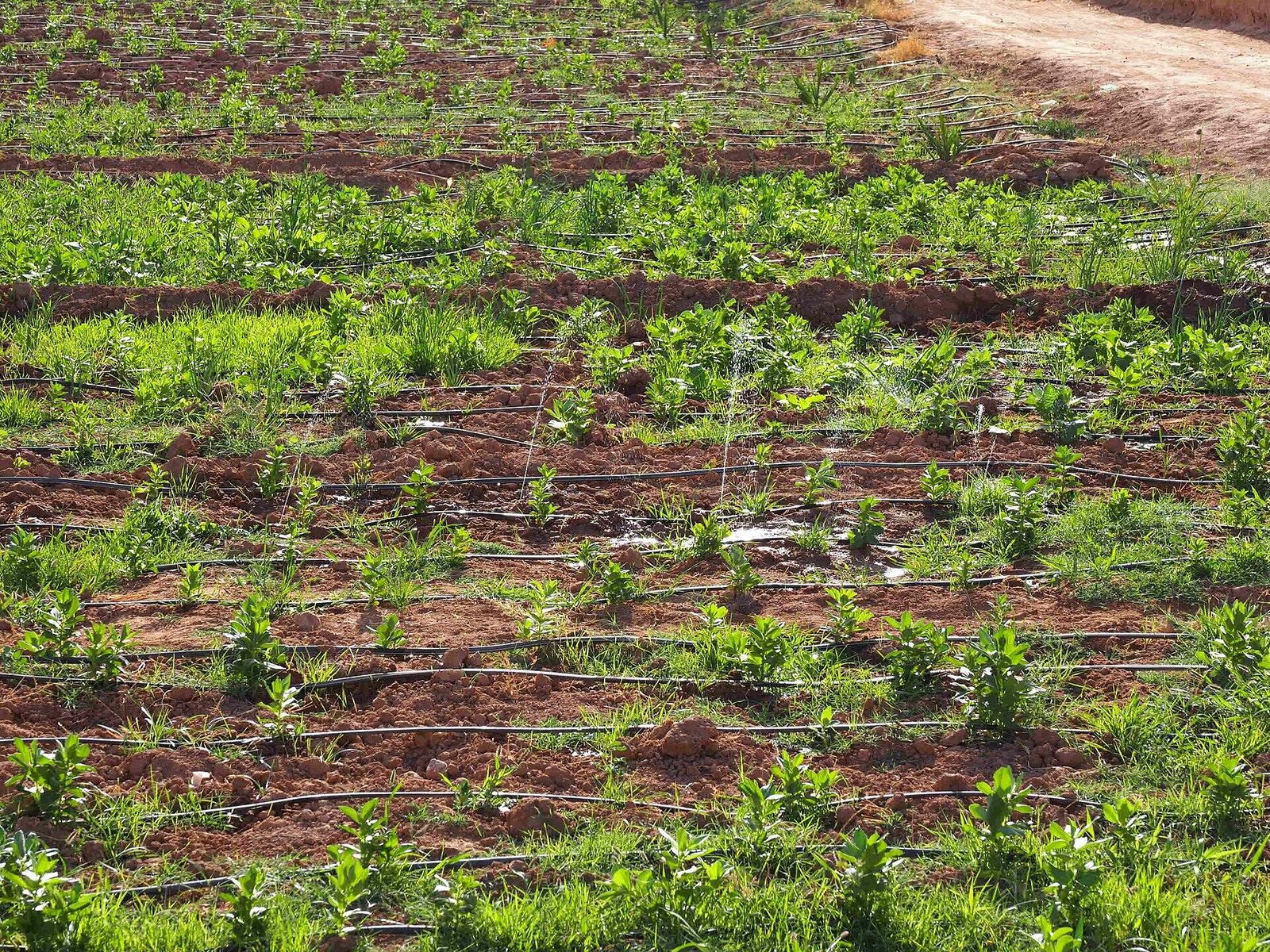
Knowing how to choose a smart irrigation system matters more than picking a brand. Most disappointing installations do not fail because the technology is poor. They fail because the system does not match the farm’s irrigation method, soil, crop or connectivity. A sensor kit that suits a drip-irrigated orchard can be a poor fit for a center pivot or a greenhouse.
This is a buyer’s guide. If you need the basics first, our article on smart irrigation systems explains what the technology is and how it works. Here we focus on the decision: what to check, what to compare, and when the investment makes sense for a working farm.
In this guide
Table of Contents
How to Choose a Smart Irrigation System: Six Questions to Answer First
A good choice starts with your own farm, not with vendor catalogs. Answer these before you compare products:
- What problem are you solving? Over-irrigation, water quotas, labor, pumping energy and uneven yield each point to a different setup.
- Which irrigation method do you use? Drip, micro-sprinklers, sprinklers, pivots and surface irrigation limit what can be automated.
- How variable are your soils, crops and slopes? Variability decides how many zones and sensors you need.
- What are your water source, pressure and water quality? These set the limits for any controller and valve.
- What connectivity and power do you have on site? Coverage and electricity decide your communication and power options.
- Who will maintain the system? Local support and your team’s skills matter as much as features.
The sections below take each factor in turn.
Factors That Shape the Right Choice
Irrigation method
Your existing method is the biggest constraint on a smart irrigation system for farms. It decides which valves, sensors and controls can be added.
| Method | Automation options | What to check |
|---|---|---|
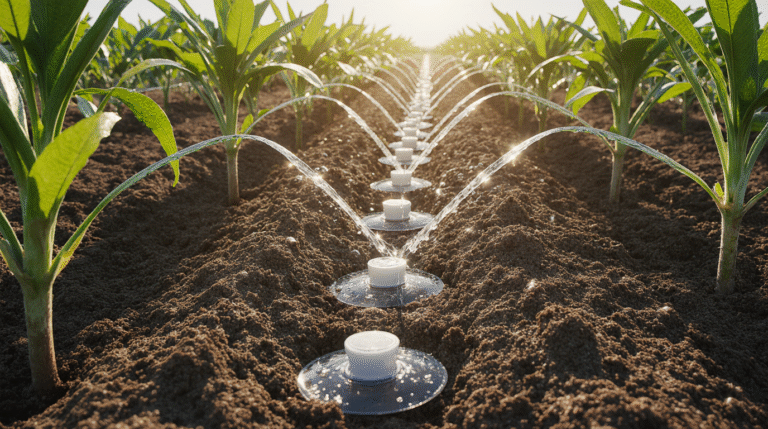
| Drip | Zone valves, flow meters, fertigation control | Filtration and pressure regulation; clogged emitters make automation pointless |
| Micro-sprinklers | Zone valves, timers with sensor input | Coverage overlap and wind exposure |
| Sprinklers | Valves, pump control, weather-based scheduling | Pressure per zone; evaporation losses on windy days |
| Center pivots | Remote pivot control, variable-rate irrigation | Compatibility with the pivot’s control panel |
| Surface (furrow or flood) | Automated gates or valves, flow and level monitoring | Less precise than pressurized systems; monitoring often comes before automation |
Crop type and root depth
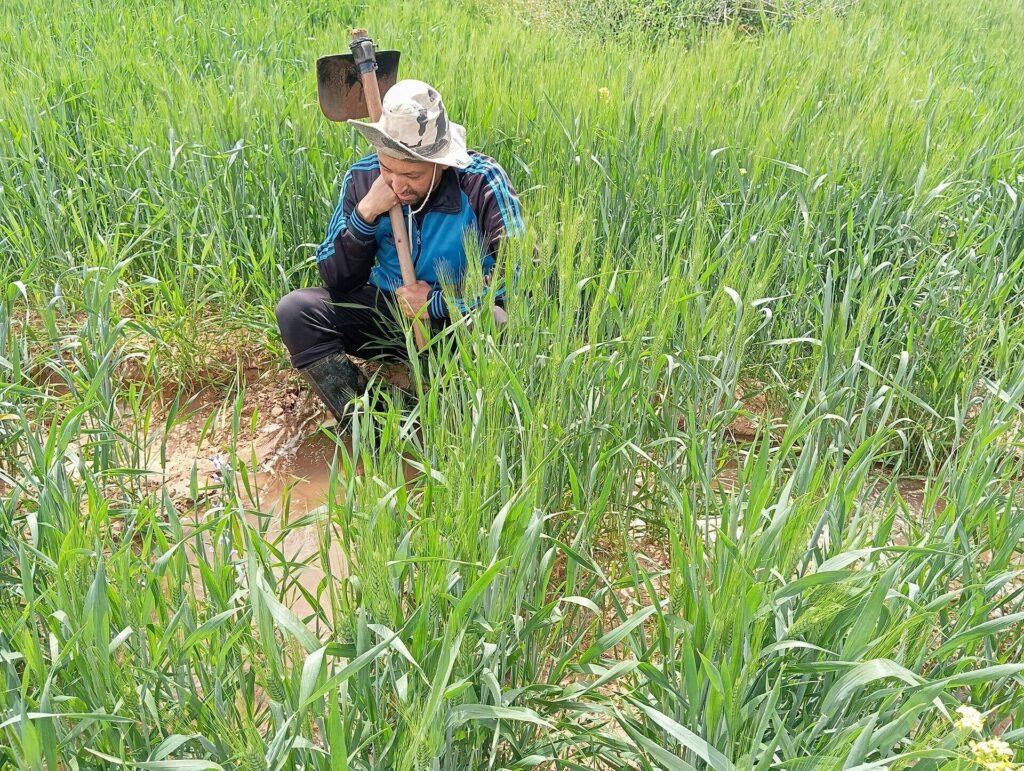
Shallow-rooted vegetables need frequent, small irrigation events and readings from the upper soil layer. Deep-rooted orchard trees tolerate longer intervals and need sensors at more than one depth. Crop water needs also change with growth stage, so check that the software lets you adjust crop coefficients or thresholds by stage instead of using one fixed setting all season.
Soil type
Sandy soils drain fast and hold little water, so they need more frequent irrigation and quicker sensor response. Clay soils hold water longer and are prone to waterlogging when over-irrigated. If your farm has both, treat them as separate zones. Sensors also read differently in different textures, so choose a type that comes with calibration guidance for your soil.
Climate and evapotranspiration
In hot, dry, windy climates, crop water demand shifts quickly, so weather-based (evapotranspiration) scheduling adds real value. In humid or rainy climates, look first for rain detection and skip logic. Either way, ask whether the system uses your own weather data or a distant regional feed.
Farm size and field variability
A small, uniform plot may need one controller and a couple of sensor stations. A larger farm with several soils needs management zones: areas with similar soil, crop and irrigation. Soil, yield and aerial maps help you define them, as MSU Extension notes in its guidance on choosing representative sensor areas.
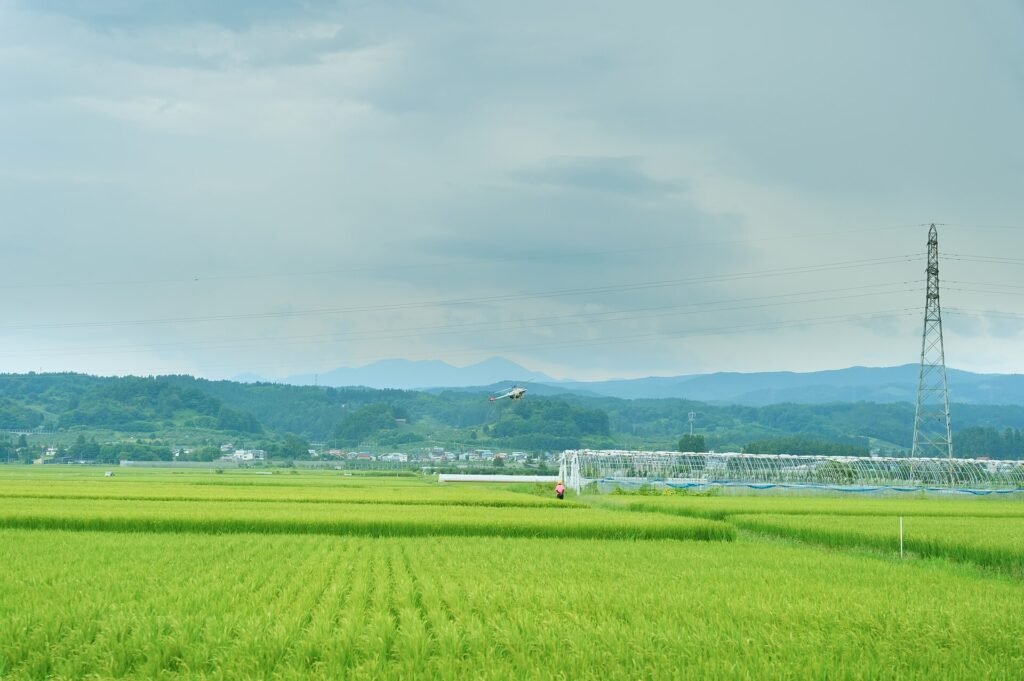
Divide the farm into zones first, then count sensors per zone rather than per hectare.
Water source, pressure and quality
Wells, canals and reservoirs behave differently, and pump capacity and pressure limit how many zones you can run at once. Salty or sediment-heavy water clogs emitters and affects sensor readings, so budget for filtration and water-quality checks.
Types of Smart Irrigation Systems
Systems differ mainly in how they decide when to irrigate. Use this table to see which type fits your situation.
| Type | How it decides | Best for | Watch out for | Complexity |
|---|---|---|---|---|
| Timer with rain or moisture cut-off | Fixed schedule, skipped when it rains or soil is wet | Small plots, first step away from manual irrigation | Still schedule-driven; limited savings | Low |
| Soil moisture–based | Starts and stops on sensor thresholds | Vegetables, orchards, greenhouses | Sensor placement and calibration | Medium |
| Weather / ET-based | Replaces estimated crop water loss | Large, uniform fields | Needs local weather data and correct crop coefficients | Medium |
| Hybrid (ET plus soil moisture) | ET sets the budget, sensors verify it | Many commercial farms | More setup and tuning | Medium to high |
| Plant-based or AI-assisted | Uses plant stress signals, imagery or forecasting models | High-value perennial crops, advanced operations | Cost and expertise; models need good data | High |
The ET approach follows FAO Irrigation and Drainage Paper 56: crop water use equals reference evapotranspiration multiplied by a crop coefficient that changes with growth stage. For many commercial farms, a soil moisture–based or hybrid system offers the best balance of accuracy and effort, while a timer upgrade is a starting point rather than an end goal.
Which Irrigation Sensors for Agriculture Matter Most
Sensors decide the quality of every decision the system makes. In rough order of priority:
Soil moisture sensors for irrigation
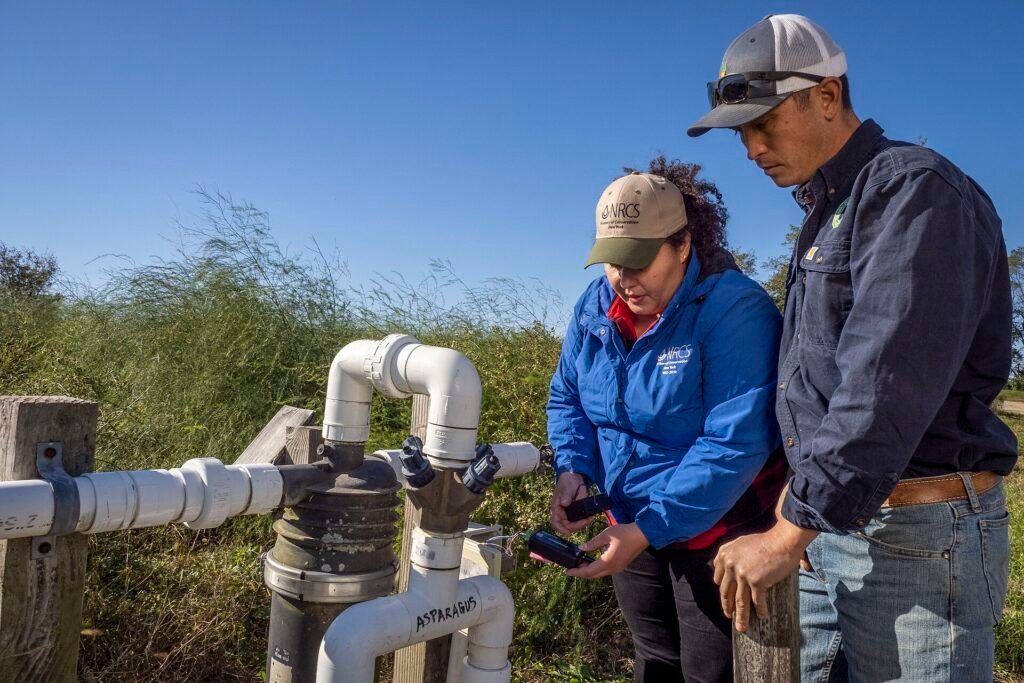
Soil moisture sensors for irrigation are the core of most systems. Volumetric sensors (capacitance or TDR types) show how much water is in the soil. Tension sensors show how hard it is for roots to extract it. Ask which type suits your soil and crop, and how the vendor supports calibration.
Placement matters more than the model. MSU Extension advises choosing a representative area with the major soil type, typical terrain and average yield, staying away from field edges and over-wetted spots, and using several depths to cover the active root zone.
Weather data
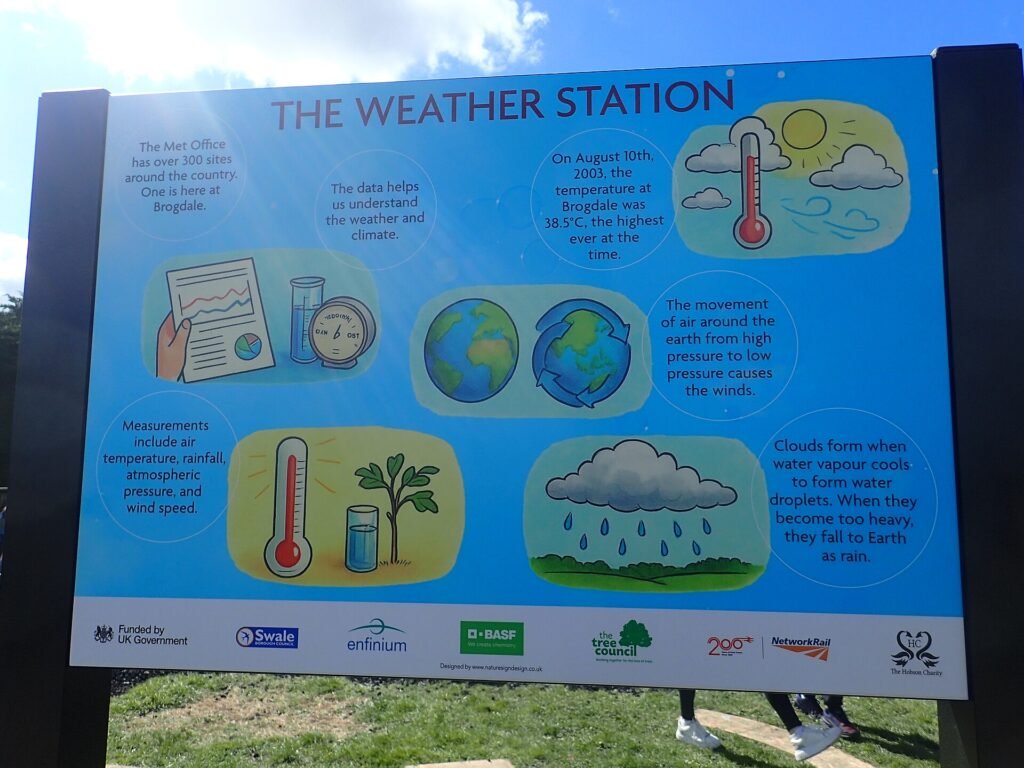
An on-farm weather station with a rain gauge, temperature, humidity, wind and solar radiation sensors feeds evapotranspiration calculations. Regional weather feeds cost less, but they may not reflect your microclimate. At minimum, a rain gauge helps the system skip unnecessary cycles.
Flow, pressure and water-quality sensors
These are easy to overlook. Flow meters and pressure sensors reveal leaks, clogged filters and pump problems, and they confirm that valves actually delivered water. Electrical conductivity (EC) sensors matter where salinity or fertigation is a concern.
Smart Irrigation System Components: What You Actually Need
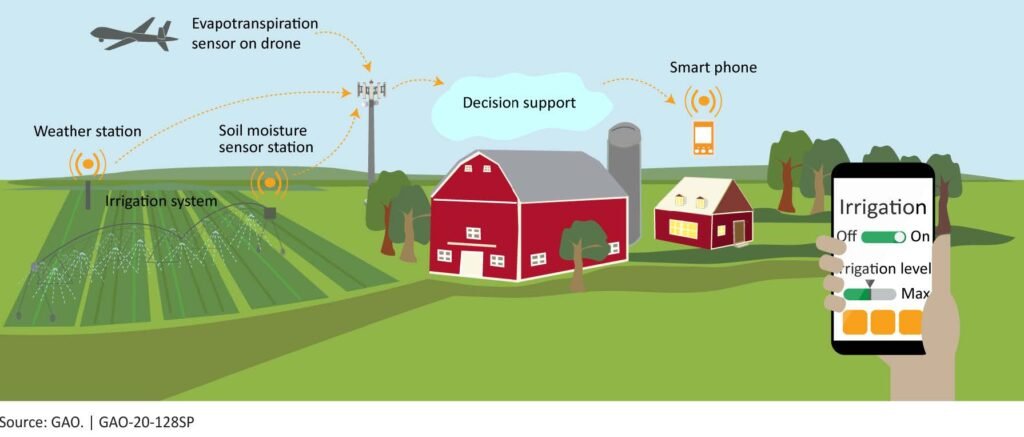
Every smart irrigation system is built from the same layers. The table shows which components are essential and what to verify for each.
| Component | Role | Essential? | What to check |
|---|---|---|---|
| Soil moisture sensors | Measure root-zone water | Yes, for sensor-based control | Sensor type, depth options, calibration support |
| Controller / gateway | Receives data and sends commands | Yes | Zones, inputs, offline behavior (see below) |
| Valves and pump control | Open, close and regulate flow | Yes | Voltage, pipe size, pressure rating |
| Communication network | Links sensors and controller | Yes | Real coverage at your site (cellular, LoRa, Wi-Fi) |
| Power supply | Runs field devices | Yes | Mains, battery or solar |
| Weather station | Supplies ET and rain data | Recommended for ET-based control | On-farm accuracy versus regional feed |
| Flow and pressure meters | Detect leaks and blockages | Recommended | Compatibility with controller inputs |
| Software / app | Dashboards, alerts, records | Yes | Alerts, data export, user access |
| Filtration and pressure regulation | Protect emitters and valves | Prerequisite | Fix before adding automation |
Choosing a Smart Irrigation Controller
The smart irrigation controller is the brain of the system. When you compare models, check these points:
- Zone capacity and expansion. Enough outputs today, with room to add zones later.
- Valve and pump compatibility. Match solenoid voltage, latching or non-latching type, and the pump starter interface.
- Sensor inputs. Support for the soil moisture, flow, pressure and weather inputs you plan to use.
- Offline operation. Schedules and safety limits should keep running when the network drops.
- Communication options. Cellular, LoRa or Wi-Fi, chosen for real coverage at your site.
- Safety functions. Maximum run times, manual override, and alarms for leaks or stuck valves.
- Power and enclosure. Solar or battery options for remote sites, and housing rated for dust and rain.
- Open data. Record export and documented integration with other platforms.
Ask the vendor to show what happens when connectivity drops in the middle of a cycle.
How Much Automation Does an Automated Irrigation System Need?
Automation is a spectrum, and more is not always better.
- Monitoring only. Sensors and a dashboard show conditions while you open and close valves. This costs least and is a good way to learn your soils.
- Advisory or semi-automatic. The software recommends when and how long to irrigate. You approve, or automation runs within limits you set.
- Closed-loop automation. The controller irrigates on its own from sensor and weather data and alerts you to exceptions.
A practical path is to run one season in monitoring or advisory mode, compare the recommendations with your own judgment, and switch zones to automatic once you trust the readings. Keep manual override and run-time limits active in every mode.
How IoT, Weather Data and Soil-Moisture Data Improve Irrigation Decisions
Each data layer answers a different question. Soil moisture shows what is happening in the root zone now. Weather and ET data show what the crop is about to lose. Flow and pressure data show whether the water arrived. IoT connectivity brings these together so precision irrigation can adjust by zone instead of treating the whole farm alike. It is one of the most practical applications of smart agriculture on a working farm.
Here is an illustrative example. A vegetable farm has a sandy block and a clay block on the same drip system. On a fixed timer, both get the same run time. Sensors would show the sandy block drying faster while the clay block stays wet, so an automated schedule can give the sandy block shorter, more frequent cycles and the clay block fewer. A flow meter confirms the valves delivered the expected volume.
Data quality is the weak point to watch. A recent literature review of smart irrigation research lists sensor drift, connectivity limits and proprietary architectures among the main barriers, which is why calibration support, offline operation and open data belong on your checklist.
Which System for Which Farm? Practical Examples
- Small vegetable farm on drip. Soil moisture sensors in one or two representative beds, a zone controller and a flow meter. Begin in advisory mode.
- Olive or citrus orchard. Hybrid scheduling, with sensors at more than one depth in two or three representative blocks and ET data setting the seasonal budget.
- Greenhouse or hydroponic unit. Frequent short cycles, drainage and EC monitoring, and high reliability. Our guide to hydroponic systems covers the growing side.
- Large field crops under pivots. Remote pivot control, ET-based scheduling and, where soils vary, variable-rate irrigation.
- Farm with low pressure or an aging network. Repair the hydraulics first. Automation will not fix leaks or uneven pressure.
Selection Checklist: How to Compare Smart Irrigation Systems
Ask every shortlisted vendor the same questions so you can compare two or three systems on equal terms.
- Fit. Does it work with my irrigation method, valve types and pump setup?
- Zoning. How many zones and sensor stations does my layout need, and can I add more later?
- Sensors. Which sensor types are included, and how are they calibrated for my soil?
- Offline behavior. What happens when the network or power fails?
- Data ownership. Can I export my records, and does the hardware still work if I change software provider?
- Support. Are installation, spare parts and troubleshooting available locally, and can you give references from similar farms?
- Total cost. What are hardware, installation, subscriptions, sensor replacement and training over five years?
- Scalability. Can I start with one block and expand without replacing components?
- Pilot. Can I trial the system on one block before committing the whole farm?
Common Mistakes When Choosing a Smart Irrigation System
- Buying technology before fixing the network. Leaks, clogged filters and uneven pressure undermine any controller.
- Choosing by feature list instead of fit. Features you will not use add cost and complexity.
- Too few sensors, or sensors in the wrong spot. One probe in an atypical patch misleads the whole zone.
- Ignoring connectivity and power on site. Good software does not help if the gateway cannot connect.
- Overlooking data ownership. Closed platforms make switching vendors costly.
- Skipping training and maintenance. Sensors need checks and recalibration, and crop settings should change with growth stage.
- Automating everything on day one. Build trust in the data first.
Is a Smart Irrigation System Worth the Investment?
It depends on your farm. Costs vary widely with size, crop, existing infrastructure and technology level, so build your own annual comparison:
Annual benefit = water cost saved + energy saved + labor saved + value of yield or quality gain
Annual cost = system cost spread over its expected life + subscriptions + maintenance and sensor replacement
Payback tends to be faster where water is scarce or expensive, crops are high-value, labor is limited or soils vary strongly. It is slower where water is cheap and abundant, crops are low-value or the network is in poor condition. Record water use, pumping hours and yield for a season before you install, then compare results from a pilot on one block.
Conclusion
Knowing how to choose a smart irrigation system comes down to fit: your irrigation method, soil, crop, climate, connectivity and the people who will run it. Define zones, prioritize sensors that suit your soil, pick a controller that keeps working offline and protects your data, and match the level of automation to your confidence. Start with one block and measure the results. For the technology background, read our guide to smart irrigation systems.
Frequently Asked Questions
What should I consider before buying a smart irrigation system?
Start with your irrigation method, soil types, crops, water source and pressure, on-site connectivity and power, and who will maintain the system. These decide which sensors, controller and level of automation fit your farm.
Which sensors do I need for smart irrigation on a farm?
Soil moisture sensors are the core. Add a rain gauge or on-farm weather station for evapotranspiration-based scheduling, and flow and pressure meters to detect leaks and blockages. Add salinity (EC) sensors where water or soil salinity is a concern.
How many soil moisture sensors do I need?
There is no single number. Install sensor stations in each management zone, meaning each combination of soil, crop and irrigation block, and place them at more than one depth in a representative area of the active root zone.
Can I add smart controls to my existing irrigation system?
Usually yes, if the hydraulics are in good condition. Most drip and sprinkler networks can take a controller, solenoid valves, flow meters and sensors, provided pressure, pipe size and valve voltage are compatible.
Do I need a weather station for smart irrigation?
Not always. Soil moisture–based systems can work without one, but weather-based or hybrid scheduling benefits from local data. An on-farm station reflects your microclimate better than a distant regional feed, and a rain gauge is a useful minimum.
How long does it take for a smart irrigation system to pay off?
It depends on water and energy costs, labor, crop value and your starting practice, so no fixed period applies. Record your baseline water, energy and yield data, then compare results from a pilot block to estimate your own payback.
Sources and Further Reading
- FAO Irrigation and Drainage Paper 56: Crop Evapotranspiration, Guidelines for Computing Crop Water Requirements
- Mississippi State University Extension: Irrometer Watermark Series, Location Selection (P3539)
- Smart Irrigation Systems: A Comprehensive Review of IoT, AI, and Sustainable Agriculture Technologies
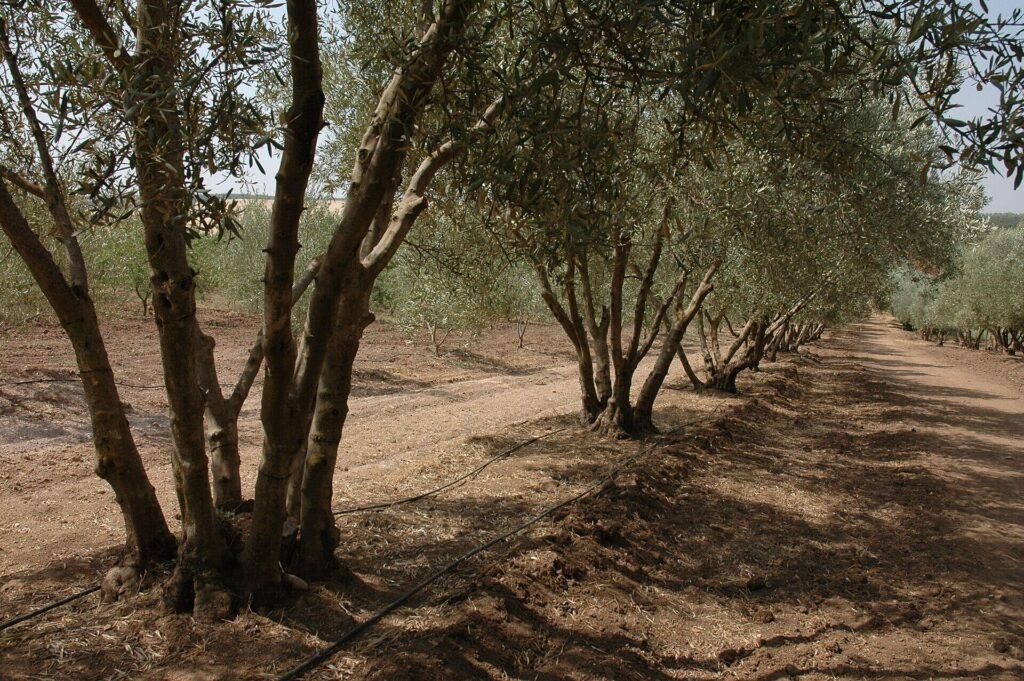
Featured image: drip irrigation in gardens near Zagora, Morocco. Photo: Richard Allaway / Wikimedia Commons, CC BY 2.0.