Table of Contents
Table of Contents
Agribusiness stands at the crossroads of agriculture and commerce. It encompasses the entire spectrum of activities involved in producing, processing, and distributing food and fiber products. Agribusiness plays a pivotal role from the seeds planted in the soil to the food on our tables. It is essential in feeding the world. It also drives economic growth.
What Is Agribusiness?
Agribusiness covers the commercial side of agriculture. It integrates all farming activities, including the production of seeds, fertilizers, and machinery. It also involves crop cultivation, livestock management, food processing, and distribution. It’s a multifaceted industry that bridges the gap between raw agricultural products and the consumer market. This sector includes various subsectors. These include agricultural chemicals, crop production, aquaculture, forestry and logging, and livestock. These subsectors contribute significantly to global economies Commerce International.
The term “agribusiness” was first coined in 1957 by Harvard Business School professors John Davis and Ray Goldberg. They introduced the concept in their book “A Concept of Agribusiness.” They emphasized the importance of integrating various components of the agricultural value chain. This integration enhances efficiency and profitability Wikipédia.
The Importance of Agribusiness
Agribusiness is not just about farming. It’s about creating a sustainable and efficient system. This system ensures food security. It supports rural development and drives economic growth. Here’s why agribusiness is crucial:
- Economic Impact: Agriculture, food, and related industries contributed approximately $1.537 trillion to the U.S. gross domestic product (GDP) in 2023, accounting for 5.5% of the total GDP. These sectors also provided 10.4% of U.S. employment, underscoring the sector’s significance in the economy ers.usda.gov.
- Global Trade: Agribusinesses facilitate the global movement of agricultural products, ensuring that food and raw materials reach international markets efficiently. This global supply chain is vital for maintaining food availability and stabilizing prices worldwide stonex.com.
- Innovation and Sustainability: The sector drives technological advancements such as precision agriculture, biotechnology, and sustainable farming practices. These advancements are essential for meeting the growing global food demand. They also help minimize environmental impact Kadence.
Key Components of Agribusiness
Agribusiness is a complex network comprising various components that work together to bring food from the farm to the consumer. These include:
- Input Suppliers: Companies that provide essential resources like seeds, fertilizers, pesticides, and machinery to farmers.
- Producers: Farmers and ranchers who grow crops and raise livestock.
- Processors: Facilities that transform raw agricultural products into consumable goods, such as milling wheat into flour or processing meat products.
- Distributors and Retailers: Entities that handle the storage, transportation, and sale of agricultural products to consumers.
- Service Providers: Organizations offering financial, marketing, and advisory services to agribusinesses.
The Evolution of Agribusiness
Agribusiness has evolved significantly over the decades, driven by technological advancements, changing consumer preferences, and global economic shifts. Key milestones in this evolution include:
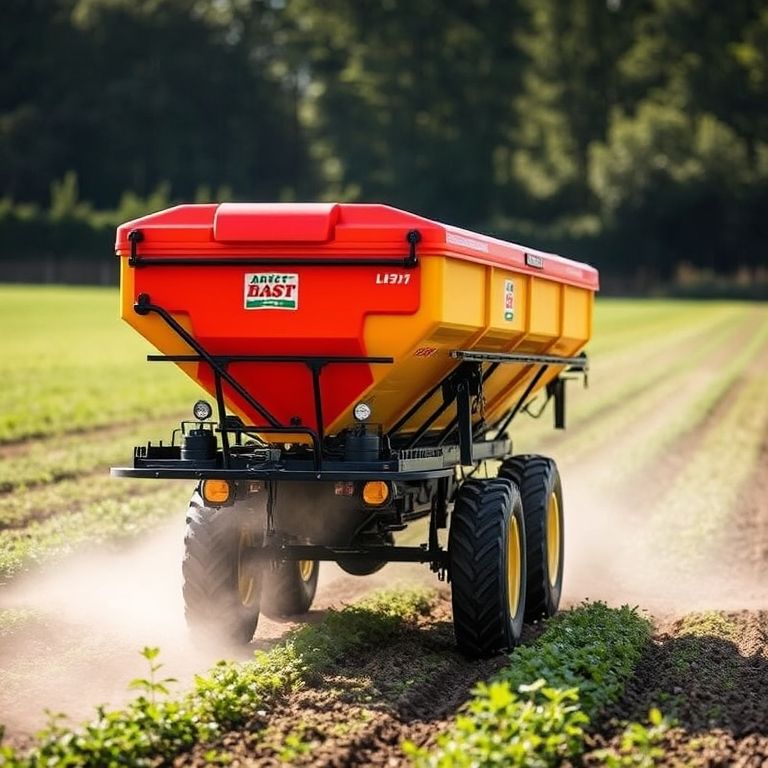
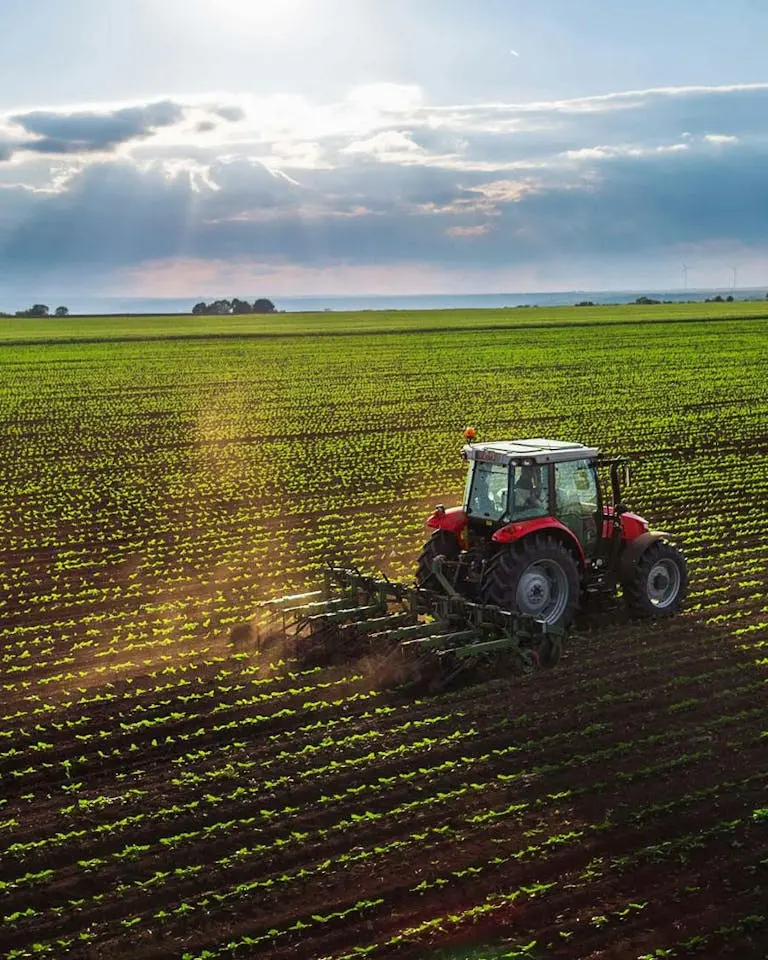
- Mechanization and Automation: The introduction of machinery like tractors and harvesters has increased efficiency and reduced labor costs in farming.
- Biotechnology: Genetically modified organisms (GMOs) have led to higher crop yields. Advanced breeding techniques have improved resistance to pests and diseases.
- Digitalization: The adoption of technologies such as GPS, drones, and data analytics has enabled precision farming. This allows for more efficient use of resources. It also improves crop management.
- Sustainability Focus: There is a growing emphasis on sustainable practices. These include organic farming, water conservation, and reducing greenhouse gas emissions. These practices aim to address environmental concerns. They also meet consumer demand for eco-friendly products.
Challenges Facing the Agribusiness Sector
Despite its importance, the agribusiness sector faces several challenges that impact its growth and sustainability:
- Climate Change: Changing weather patterns and extreme events like droughts and floods can affect crop yields. These events impact livestock health. They pose significant risks to food production.
- Supply Chain Disruptions: Global events like pandemics and geopolitical tensions can disrupt the supply chain. These disruptions lead to shortages and cause price volatility.
- Labor Shortages: The farming population is aging. Younger generations show a lack of interest in agricultural careers. These factors contribute to labor shortages in the sector.
- Regulatory Compliance: Adhering to environmental regulations and food safety standards requires significant investment and can be challenging for small-scale producers.
The Future of Agribusiness
Looking ahead, the agribusiness sector is poised for continued growth and transformation. Key trends shaping the future include:
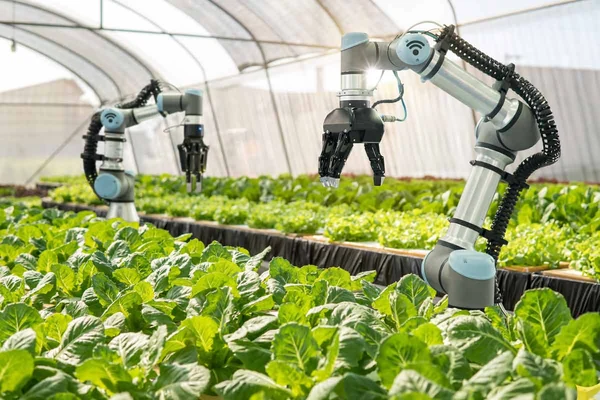
- Smart Farming: The integration of Internet of Things (IoT) devices, artificial intelligence (AI), and machine learning. These technologies optimize farming practices. They improve decision-making.
- Alternative Proteins: The rise of plant-based and lab-grown proteins as sustainable alternatives to traditional animal products.
- Circular Economy: Implementing practices that minimize waste. These practices make the most of resources. One example is converting agricultural by-products into bioenergy or compost.
- Global Collaboration: Increased cooperation between governments, businesses, and research institutions to address global challenges like food security and climate change.
How to Build a Successful Agribusiness
Running a profitable agribusiness requires more than just farming skills. It demands a deep understanding of market trends. Operational efficiency and consumer behavior are also crucial. Have you ever wondered why some farms thrive while others struggle despite fertile land? The difference often lies in strategic planning, value-added services, and leveraging technology. For example, farmers who integrate processing facilities achieve higher profit margins. Those who diversify into organic products also see better profits compared to those who only sell raw crops. By identifying gaps in the market and catering to specific consumer demands, agribusinesses can secure a sustainable competitive advantage.
Key Strategies for Growth
Expanding an agribusiness requires a combination of innovation, market knowledge, and financial planning. Here are several proven strategies:
- Vertical Integration: Controlling multiple stages of the supply chain, from production to distribution, can reduce costs and increase profits. Examples include farms that produce crops, process them into packaged goods, and sell directly to retailers.
- Diversification: Offering a range of products or services reduces risk. A dairy farm, for example, might sell milk, cheese, yogurt, and skincare products made from milk.
- Sustainable Practices: Consumers increasingly favor eco-friendly products. Implementing organic farming, water conservation, and renewable energy solutions can attract higher-paying customers and build long-term brand loyalty.
Comparing Agribusiness Models
Different agribusiness models cater to various markets and investment capacities. The table below highlights some of the most common models and their pros and cons:
| Agribusiness Model | Investment Required | Profit Potential | Risk Level | Example |
|---|---|---|---|---|
| Small-Scale Farming | Low | Moderate | Medium | Local vegetable or poultry farms |
| Organic Farming | Medium | High | Medium | Organic vegetable or fruit farms |
| Agri-Processing | High | High | High | Juice production, dairy processing |
| Agri-Tech Startups | High | Very High | High | Precision agriculture platforms, farm management apps |
| Export-Oriented Farming | Medium-High | High | Medium-High | Exporting grains, coffee, or fruits |
This comparison shows that higher investment models like agri-processing or agri-tech startups offer higher returns. However, they also carry increased risk. Evaluating your resources, expertise, and market demand is crucial before selecting a model.
Leveraging Technology in Agribusiness
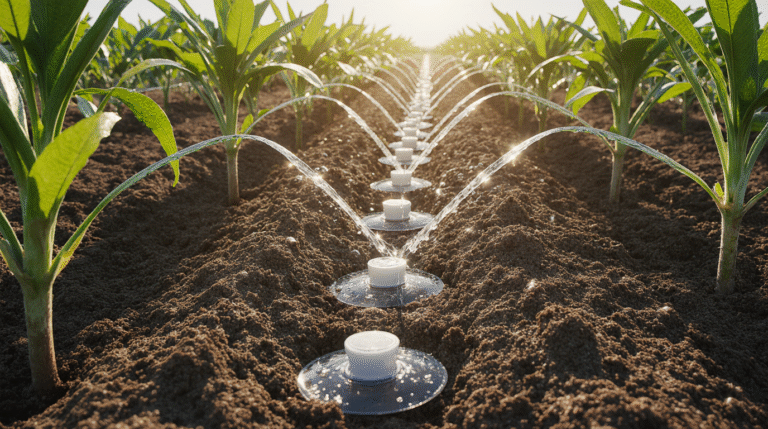
Technology is no longer optional; it is a driving force for profitability and efficiency in agribusiness. Real-world examples show how IoT sensors, AI-driven analytics, and blockchain for supply chain transparency have revolutionized farming. Drones can monitor crop health, while automated irrigation systems save water and reduce labor costs. Blockchain ensures traceability, allowing consumers to verify product origin, which is particularly valuable for organic or export-focused operations (kadence.com).
Adopting such technologies not only improves operational efficiency but also strengthens credibility with consumers, investors, and international buyers. The competitive edge gained through smart farming solutions often determines which agribusinesses flourish in highly competitive markets.
Marketing and Distribution Strategies
Even the highest-quality products require effective marketing to reach the right audience. Agribusinesses should embrace both traditional and digital strategies:
- Direct-to-Consumer (D2C): Farmers can sell directly via farmers’ markets, online platforms, or subscription boxes. This model increases profit margins and builds brand loyalty.
- B2B Partnerships: Partnering with retailers, restaurants, or wholesalers ensures steady demand and bulk sales.
- Social Media Marketing: Platforms like Instagram, Facebook, and LinkedIn enable storytelling around sustainable farming, product quality, and brand values.
- Export Channels: Targeting international markets can unlock higher revenue streams, but requires compliance with global standards and logistics planning.
Combining multiple channels and crafting a consistent brand story often results in higher engagement and customer retention.
Challenges and Risk Management
Agribusiness is subject to numerous risks, ranging from unpredictable weather and pest outbreaks to fluctuating market prices. Effective risk management strategies include:
- Crop Insurance: Protects against losses from natural disasters or unforeseen events.
- Financial Planning: Budgeting, forecasting, and maintaining liquidity ensure resilience during slow market periods.
- Diversification: Reduces dependency on a single crop, product, or market.
- Continuous Learning: Staying updated with industry trends, regulations, and technological advancements mitigates operational risks (trade.gov).
Case Studies: Successful Agribusiness Models
Consider the example of a mid-sized farm in Morocco that integrated olive oil production with a branded export line. The farm controlled the supply chain from cultivation to packaging. It marketed directly to international distributors. By doing this, the farm significantly increased revenue and ensured quality control. Similarly, a dairy cooperative in Kenya adopted solar-powered milk cooling and digital payment platforms, streamlining operations and gaining consumer trust.
These real-world examples illustrate that combining technology, sustainability, and market intelligence can transform small or medium farms. The transformation turns them into profitable and scalable businesses.
Conclusion: Unlocking Agribusiness Potential
Agribusiness represents one of the most dynamic and rewarding sectors in the global economy. Entrepreneurs can maximize both profitability and impact by understanding market demands. They can also leverage technology, adopt sustainable practices, and apply smart marketing strategies. You might aim to launch a small-scale farm. Perhaps you’re interested in a high-tech agri-startup, or even an export-oriented operation. Whatever the goal, the key to success is innovation. Strategic planning and continuous learning are also crucial.
Ready to take your agribusiness to the next level? Start by identifying opportunities in your local market. Integrate technology and sustainable practices. Leverage expert resources like agrigloba for tutorials, industry insights, and actionable strategies. The future of agriculture is not just in growing crops — it’s in cultivating smart, resilient, and profitable businesses.