Farming success isn’t just about hard work — it’s about precision. Every seed, every drop of water, and every granule of fertilizer matters. Have you ever wondered why some farms seem to thrive with lush, uniform crops while others struggle with uneven growth? The secret often lies in one powerful yet underrated tool: the agri fertilizer spreader.
This modern piece of agricultural equipment has transformed how farmers distribute nutrients across their fields. It improves yield consistency, saves costs, and enhances soil health. In this comprehensive guide, we’ll explore how fertilizer spreaders work. We will discuss the different types. You will learn how to choose the perfect model for your land. Plus, there are expert insights and comparisons you won’t find anywhere else.
Why Every Modern Farm Needs a Fertilizer Spreader
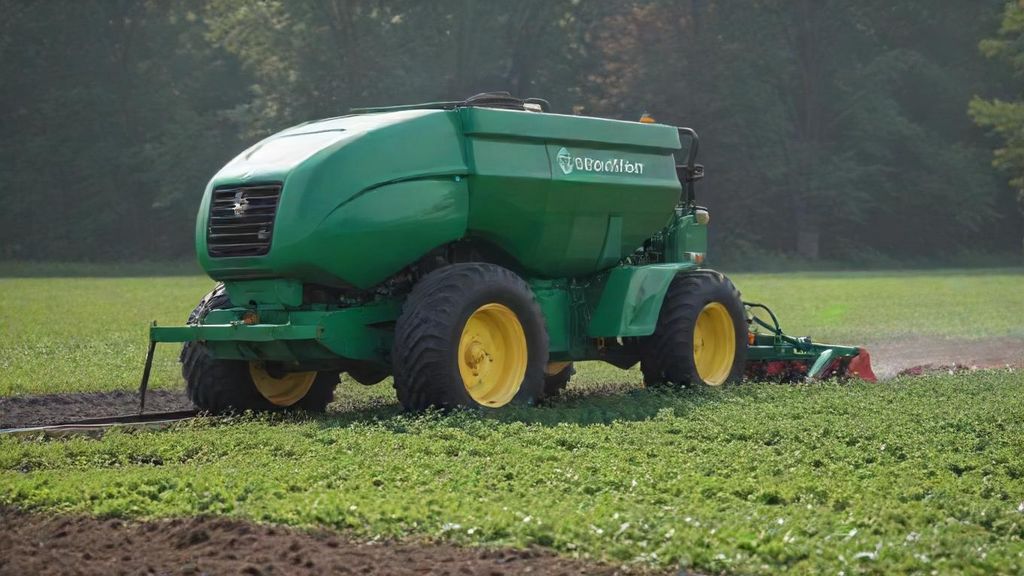
In traditional farming, fertilizer application was often a manual or semi-automated process — slow, inconsistent, and labor-intensive. Farmers relied on guesswork, spreading by hand or using primitive tools that wasted fertilizer and damaged soil balance. But agriculture has evolved. In 2026, smart agri fertilizer spreaders are essential to sustainable and profitable farming.
These machines ensure that every square meter of soil gets precisely the right amount of nutrients. It doesn’t matter if you manage a small organic garden or a large commercial farm. A spreader helps you reduce waste. It also increases yield and optimizes time. With global fertilizer costs rising each year, efficient usage isn’t just good practice — it’s a financial necessity.
How Fertilizer Spreaders Work: Precision Meets Simplicity
At its core, a fertilizer spreader’s job is straightforward — to evenly distribute fertilizer across the field. Yet, the technology behind it is fascinating. The spreader features a hopper that holds the fertilizer. It releases the fertilizer at a controlled rate through a spinning disc or a series of apertures. Depending on the spreader’s design, it can be ground-driven, PTO-driven, or even GPS-controlled.
Smart models integrate digital mapping and IoT sensors that monitor soil fertility in real time. They adjust the application rate automatically, ensuring no part of your field is underfed or overfed. The result? Healthier crops, less runoff pollution, and measurable fertilizer savings.
Imagine driving your tractor across a vast field. The spreader automatically adjusts its settings. There is no more overapplication near the borders and no more wasted product in already fertile zones. That’s the future of precision agriculture, and it’s already here.
Types of Agri Fertilizer Spreaders (And How to Choose the Right One)
Choosing the right spreader depends on your farm size, terrain, and fertilizer type. Let’s break down the major types:
Broadcast (Centrifugal) Spreaders
These are the most common. They use a spinning disc to “throw” fertilizer outward in a circular pattern. Perfect for large, open fields where uniform coverage is key. Models like the Agri-Fab Tow Behind Broadcast Spreader are popular for their capacity. The John Deere 130-lb Broadcast Spreader is also known for its reliability.
Drop Spreaders
Ideal for precision work and smaller plots, drop spreaders release fertilizer directly beneath the spreader in a straight, narrow path. This makes them excellent for lawns, gardens, and greenhouses where accuracy matters more than speed.
Pendulum Spreaders
Used mainly in professional or large-scale farming, pendulum spreaders swing the fertilizer side-to-side, providing consistent coverage and adjustable spreading width. They’re well-suited for hilly or uneven terrain.
Pneumatic or Air Spreaders
High-end models that use air pressure to blow fertilizer evenly across the field. These are often part of precision farming systems, integrated with GPS and real-time data for optimal control.
Comparison Table: Choosing the Right Fertilizer Spreader
| Type | Best For | Coverage | Accuracy | Technology Level | Ideal Users |
|---|---|---|---|---|---|
| Broadcast (Centrifugal) | Large open fields | Very wide | Moderate | Medium | Commercial farmers |
| Drop Spreader | Small/medium areas | Narrow | High | Low | Gardeners, turf managers |
| Pendulum Spreader | Hilly or uneven land | Medium-wide | High | Medium | Professional farmers |
| Pneumatic (Air) | Precision farming | Adjustable | Very high | High | Large-scale farms, Agri-tech users |
Smart Features That Are Changing the Game in 2026
Modern agri fertilizer spreaders aren’t just mechanical tools — they’re part of an intelligent ecosystem. The rise of AgriTech has introduced features like variable rate technology (VRT). It also includes smart calibration systems and cloud-connected monitoring apps. These are revolutionizing how nutrients are applied to the soil.
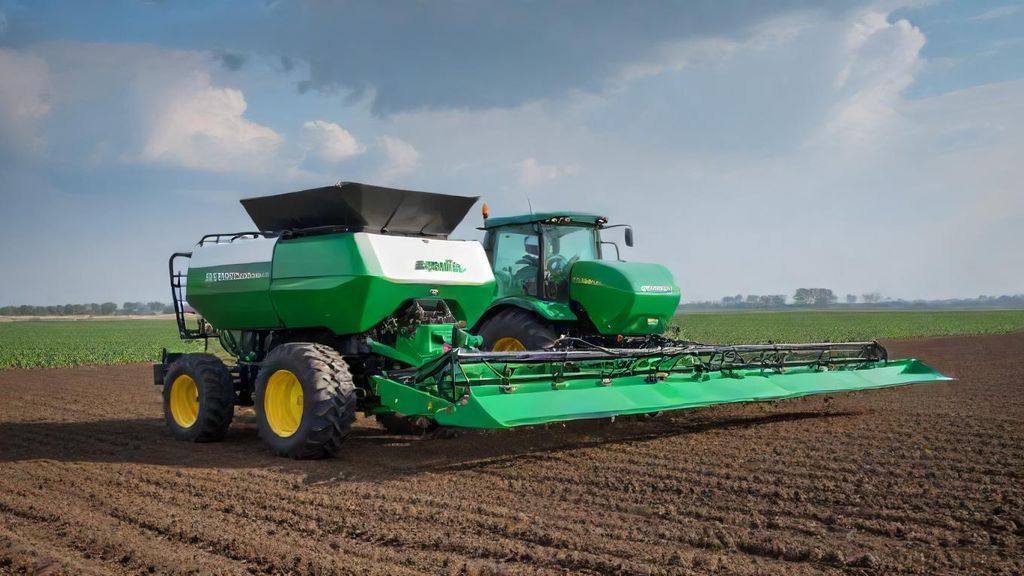
For example, smart spreaders from brands like KUHN, Amazone, and New Holland offer advanced synchronization. They allow farmers to sync their equipment with soil maps. Farmers can also use drone data. The spreader then automatically adjusts its flow rate according to soil fertility levels. That means more nitrogen where it’s needed and less where it’s not — cutting costs and environmental impact simultaneously.
Have you ever imagined managing your entire nutrient plan from your smartphone? With the latest IoT-enabled spreaders, it’s possible. Farmers receive instant reports on fertilizer use, field coverage, and efficiency metrics — transforming every operation into a data-driven process.
The Environmental Benefits: Smart Spreading for a Greener Planet
One of the biggest global challenges in agriculture is nutrient runoff, where excess fertilizer leaches into rivers and groundwater. It’s wasteful, costly, and harmful to ecosystems. Fertilizer spreaders, when used correctly, minimize this issue by ensuring targeted application.
Moreover, precision spreading reduces greenhouse gas emissions by cutting down the overuse of nitrogen-based fertilizers. This aligns perfectly with sustainable farming goals. These goals are promoted by organizations like FAO, UNEP, and AgriGloba. They advocate for smart resource management and digital agriculture tools.
The more precisely we spread, the more we protect — not just the crops but the planet itself. That’s why the new generation of farmers isn’t just thinking about productivity but also about preserving biodiversity and soil health.
Real-World Examples: How Fertilizer Spreaders Transform Farms
Let’s step into the real world for a moment. Picture a medium-sized Moroccan wheat farm. Before adopting a fertilizer spreader, workers applied nutrients manually using buckets — uneven coverage, wasted product, and unpredictable yields. After switching to a tractor-mounted broadcast spreader, the farm saw a 28% increase in yield within a single season. Fertilizer costs dropped, and soil analysis showed balanced nutrient distribution.
Similar success stories echo across Africa, Europe, and Asia. In Kenya, digital agriculture startups now combine spreaders with drones and soil-mapping AI, letting smallholders apply fertilizer with millimeter accuracy. Meanwhile, in France and the Netherlands, large-scale grain farms are using GPS-guided pneumatic spreaders. These spreaders sync with weather forecasts. They adjust spreading rates automatically when rain is predicted.
These stories prove one thing: the fertilizer spreader isn’t just a machine; it’s a multiplier of efficiency and sustainability.
How to Maintain Your Fertilizer Spreader for Peak Performance
A fertilizer spreader, like any precision tool, demands regular care to stay efficient. Many farmers underestimate maintenance. However, neglecting simple checks can lead to uneven spreading. This can cause mechanical wear that shortens the equipment’s lifespan.
After every use, clean the hopper thoroughly. Fertilizer granules are highly corrosive. They can damage metal parts if left overnight. Lubricate all moving components, especially bearings, spinners, and agitators. Inspect your calibration settings frequently, as vibration from tractors can shift settings slightly during operation.
For pneumatic or electronic spreaders, make sure sensors, control boards, and GPS units are clean and free of dust. Update them with the latest firmware. These small habits ensure consistent accuracy, reduce downtime, and extend your investment for years.
A well-maintained spreader doesn’t just save time — it saves money and protects your soil from inconsistent fertilization.
Top Agri Fertilizer Spreader Brands in 2026
With so many options on the market, choosing the right brand can be overwhelming. Below are some of the top-rated manufacturers dominating global markets in 2026 — trusted for their precision, durability, and smart features:
| Brand | Best Feature | Origin | Ideal For |
|---|---|---|---|
| KUHN | Advanced VRT and ISO-BUS control | France | Professional and large-scale farms |
| Amazone | GPS precision spreading | Germany | Cereals and vegetable farms |
| John Deere | Reliability and service network | USA | Mixed and commercial farms |
| Agri-Fab | Compact, affordable, tow-behind spreaders | USA | Small farms and lawns |
| New Holland | Integrated smart farming technology | Italy | Modern precision farming operations |
| Vicon | Lightweight yet durable pendulum designs | Netherlands | Hillside and uneven terrain farms |
These brands continue to innovate with data-driven solutions, eco-friendly systems, and AI-powered optimization. Whether you’re a small grower or an agribusiness operator, there’s a model built specifically for your workflow.
Cost and ROI: Is It Worth the Investment?
Absolutely. Let’s talk numbers.
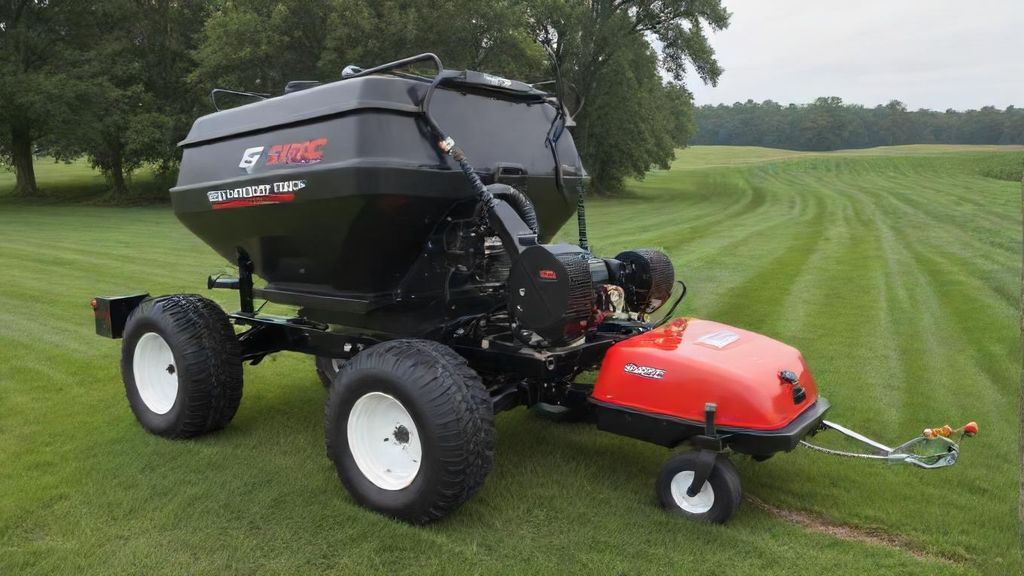
A standard tow-behind broadcast spreader might cost between $300 and $800, while high-end GPS or pneumatic models can reach $5,000–$12,000. At first glance, it may seem like a heavy expense. However, when you consider the savings from fertilizer efficiency, the return on investment becomes clear. It is often 15–30% less fertilizer use per hectare.
Moreover, healthier crops mean higher yields and better profits. The ROI period for most spreaders is typically one to two planting seasons. Consider the environmental benefits. Compliance with future sustainability regulations makes the investment not just wise but essential.
Consider this perspective: each season you postpone adopting a spreader, you are probably losing hundreds in fertilizer waste. This could even amount to thousands.
Smart Buying Guide: How to Choose the Perfect Model
When shopping for a fertilizer spreader, consider these crucial factors:
- Farm Size: Large operations need wide-coverage or PTO-driven models; small farms can rely on tow-behind or drop spreaders.
- Fertilizer Type: Granular and powdered fertilizers require different disc or drop mechanisms for optimal flow.
- Terrain: Hilly areas benefit from pendulum or pneumatic systems that handle uneven surfaces better.
- Budget and Features: Decide if you need advanced GPS or manual controls. Sometimes, simplicity is better if your field layout is straightforward.
- After-Sales Service: A good brand with local service availability can save you time. It can also reduce frustration when you need maintenance or parts.
Always read real-world reviews and, if possible, test the spreader before purchase. An on-field demo can reveal whether it truly suits your soil and tractor setup.
Frequently Asked Questions (FAQs)
What is the ideal time to use a fertilizer spreader?
The best time to use a fertilizer spreader is during early growth stages. Ideally, you should do it before or right after planting. This is when the soil still retains moisture. Avoid spreading on windy or rainy days to reduce nutrient drift or runoff.
Can I use one spreader for both fertilizer and seeds?
Yes, but only if the spreader’s calibration supports both materials. Some models feature interchangeable hoppers and discs, allowing dual-purpose operation. Always clean thoroughly before switching between fertilizer and seed to avoid contamination.
What maintenance schedule should I follow?
Inspect and clean the spreader after every use. Recalibrate monthly during active seasons and perform a full mechanical check annually before the planting cycle.
How do smart spreaders reduce fertilizer waste?
Smart spreaders use GPS and sensors to apply fertilizer only where needed. By analyzing soil fertility data, they automatically adjust the output. This ensures no overlap or over-application. This precision translates directly to savings.
Are fertilizer spreaders environmentally friendly?
Yes. Precision spreading minimizes runoff. It reduces the excess nitrogen entering waterways. These practices are a cornerstone of sustainable agriculture promoted by AgriGloba and the FAO.
Can I attach a fertilizer spreader to any tractor or ATV?
Most modern models are versatile and compatible with a wide range of tractors and ATVs. Always check the hitch type and power requirements before purchase.
The Future of Fertilization: Smarter, Greener, and More Profitable
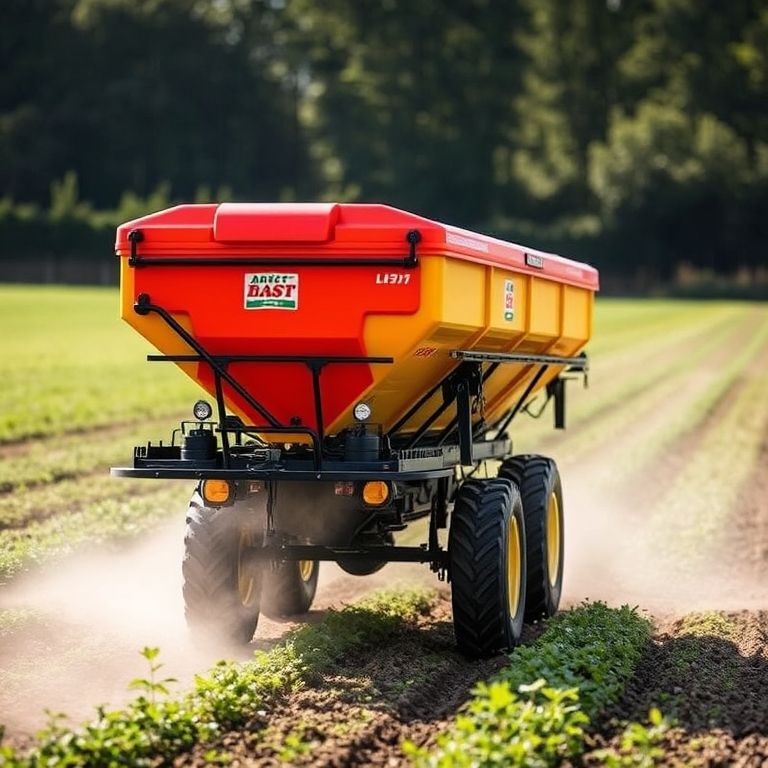
Agriculture is embracing the digital revolution. The humble fertilizer spreader is transforming from a simple mechanical tool into a data-driven powerhouse. With AI, IoT, and satellite-guided precision, farmers are achieving what was once impossible — maximum yield with minimum waste.
🌾 🌾 🌾 🌾 🌾 🌾 🌾 🌾 🌾 🌾
From smallholders to agribusiness giants, spreaders are no longer optional. They play a crucial role in smart farming. They ensure every nutrient reaches its target. Every dollar spent brings value. Every harvest reflects both productivity and sustainability.
Conclusion: Turn Precision into Profit
Agriculture’s future belongs to those who adapt. Investing in a modern agri fertilizer spreader isn’t just about spreading fertilizer — it’s about spreading opportunity. It’s about giving your crops the nutrients they deserve. It means offering your land the respect it needs. Also, it provides your business the edge it demands.
If you’re serious about farming smarter, saving resources, and maximizing yields, now is the perfect time to upgrade your equipment. Explore the latest models. Test their capabilities. Join the new generation of sustainable farmers who are changing the world — one field at a time.
🌾 Ready to take your farm to the next level? Discover how AgriGloba and modern spreader technology can transform your soil, your harvest, and your future.