Table of Contents
Introduction: Why Hydroponics Is the Game-Changer
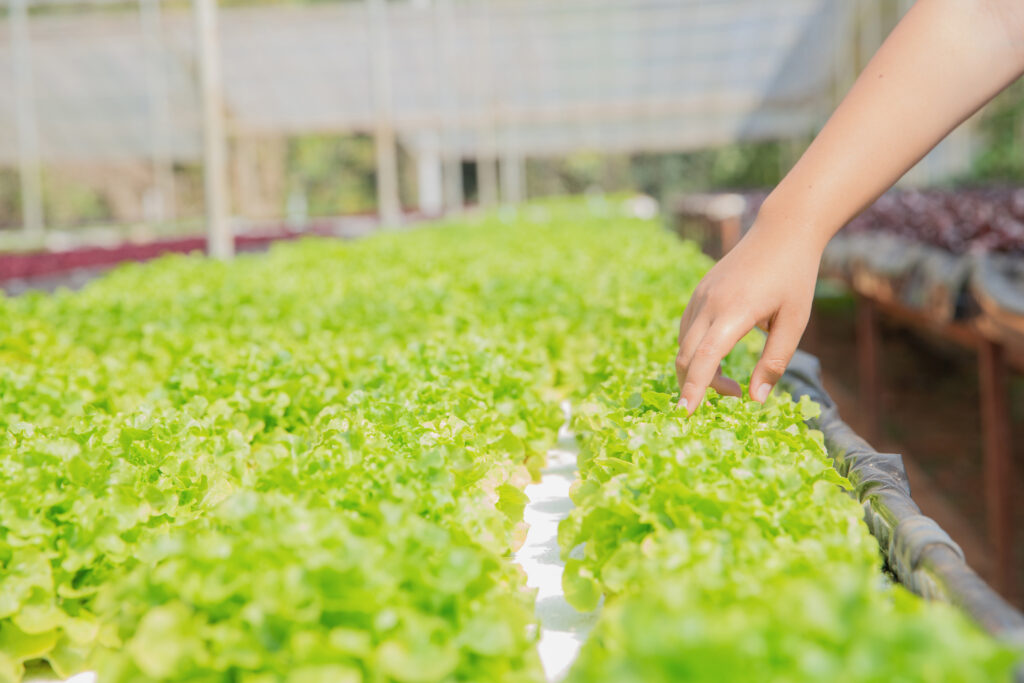
As the global population rises and arable land becomes scarce, hydroponics emerges as a revolutionary farming solution. Farmers grow plants in nutrient-rich water instead of soil. This method allows for faster growth and higher yields. It provides precise control over environmental conditions. In 2025, the integration of automation and digital monitoring is transforming hydroponics. It is becoming a fully smart farming system. This system is capable of maximizing efficiency. Additionally, it minimizes labor and resource usage.
Hydroponics allows urban farms, greenhouses, and vertical farms to produce fresh, high-quality crops year-round. Sensors, AI, and IoT devices monitor nutrient levels, water pH, temperature, and light. These technologies ensure each plant receives exactly what it needs. This level of precision was impossible with traditional agriculture, making hydroponics a critical component of AgriTech innovation.
Smart Automation in Hydroponics
Automation is the backbone of modern hydroponic systems. AI-controlled pumps, nutrient dosing systems, and lighting schedules allow farmers to manage hundreds of plants with minimal manual work. This technology makes even managing thousands of plants feasible. Sensors continuously collect data on water chemistry, plant growth, and environmental conditions, which AI algorithms analyze to optimize operations.
In large-scale hydroponic farms, automation reduces labor costs significantly and eliminates human error in nutrient management. Automated climate control systems adjust temperature, humidity, and CO₂ levels to maintain ideal growing conditions. These smart solutions allow hydroponic farms to achieve maximum efficiency. They ensure consistent crop quality. This consistency is essential in meeting the rising demand for fresh produce.
IoT and Data Analytics: Precision Farming for Plants
The integration of IoT devices in hydroponics enables real-time monitoring and control of every aspect of plant growth. Sensors collect continuous data on water flow, nutrient concentration, light intensity, and root health. All this information is fed into cloud-based analytics platforms, where AI algorithms detect patterns and predict plant needs.
By analyzing historical and real-time data, hydroponic systems can make forecasts about potential deficiencies. They can also predict diseases or environmental stress. This allows farmers to intervene before problems escalate. This precision approach ensures higher yields, reduced waste, and healthier crops, making hydroponics a model of sustainable, data-driven agriculture.
Sustainability and Resource Efficiency
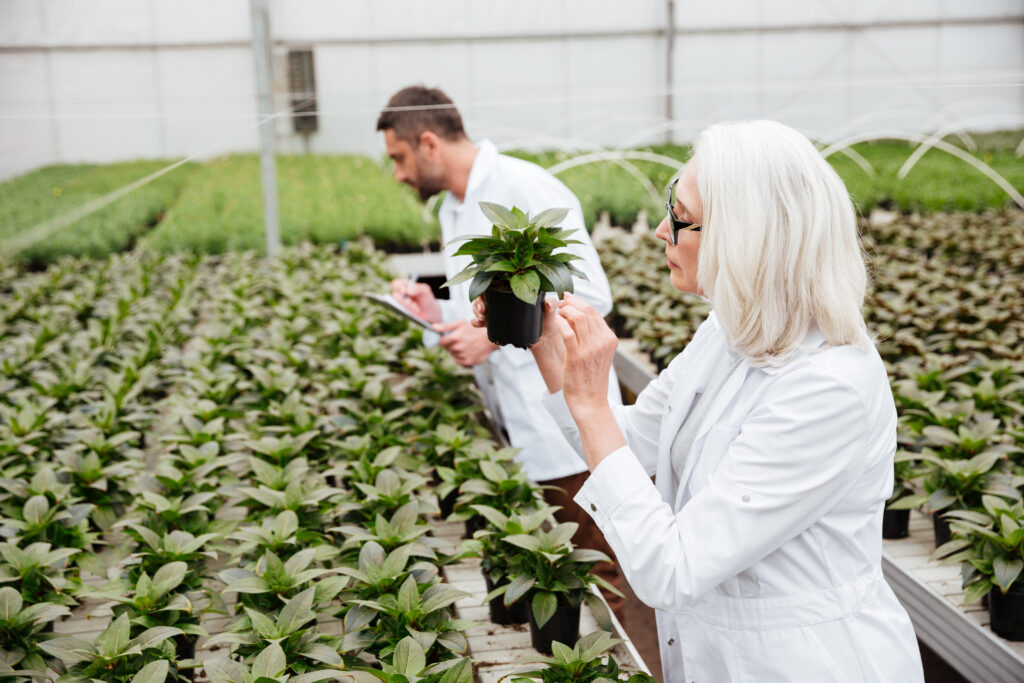
Hydroponics inherently reduces water consumption by up to 90% compared to traditional soil farming. In combination with automation, energy-efficient LED lighting, and smart nutrient delivery, these systems minimize waste and environmental impact. Farmers can recycle water, reduce fertilizer runoff, and maintain optimal growth conditions without overusing natural resources.
In urban and vertical farming setups, hydroponics also shortens supply chains, reducing carbon emissions associated with transportation. 2025 trends emphasize sustainability and climate-smart agriculture. Hydroponics represents a scalable solution for feeding growing urban populations. It also protects the planet.
Hydroponics and AgriTech: The Future of Smart Farms
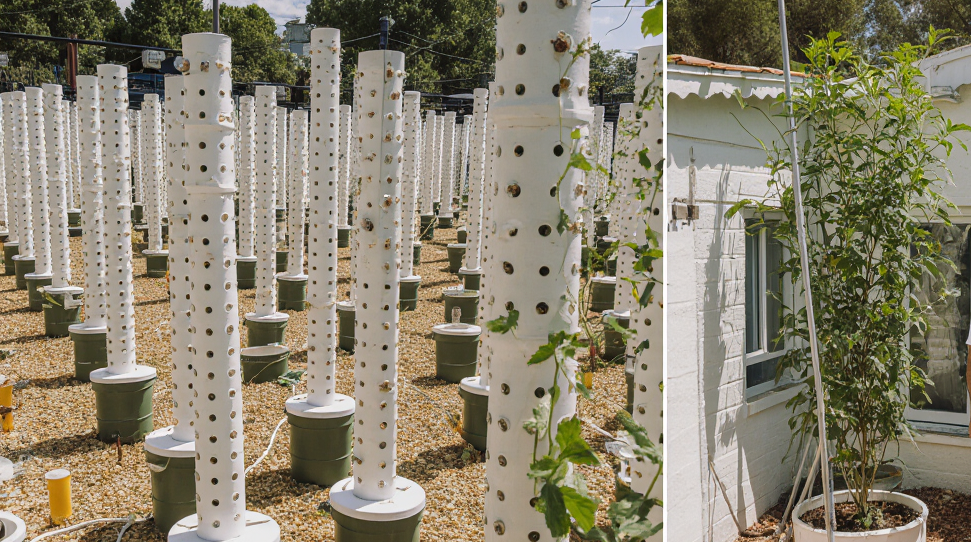
Hydroponics is no longer just a niche technique; it is at the heart of modern AgriTech innovation. Startups worldwide are developing fully automated hydroponic farms with AI monitoring, robotic harvesting, and predictive analytics. These systems integrate seamlessly with farm management software. This allows farmers to optimize production, monitor plant health, and track resource usage from anywhere.
The convergence of hydroponics and automation is redefining the role of the farmer. Instead of manual labor, the modern farmer manages a digital ecosystem, making strategic decisions based on precise analytics. This transition not only increases productivity but also empowers sustainable practices and profitability in controlled environment agriculture.
Hydroponics and Nutrient Optimization: Precision Control for Maximum Yield
A core advantage of hydroponics lies in precise nutrient management. Hydroponic systems offer control over the concentration of essential minerals and nutrients. Farmers can adjust these elements for each crop. AI-powered nutrient dosing systems automatically adjust pH levels. They also modify mineral composition based on sensor feedback. This ensures plants receive optimal nourishment throughout their growth cycle.
These precision nutrient strategies not only accelerate growth but also improve flavor, texture, and nutritional quality of produce. In large-scale commercial operations, real-time monitoring prevents nutrient imbalances that can stunt growth or reduce yield. By integrating AI and IoT analytics, hydroponic farms in 2025 can achieve predictable production. High-quality output is ensured by turning data into a powerful growth engine.
Vertical and Urban Hydroponics: Revolutionizing City Agriculture
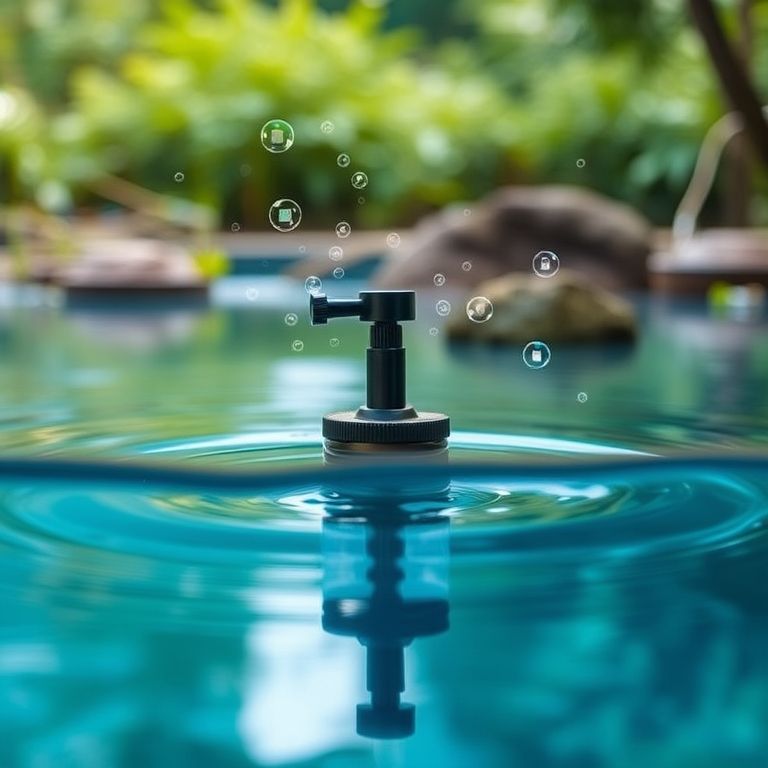
Urban environments face unique challenges: limited space, high population density, and demand for fresh produce. Hydroponics, especially vertical farming, addresses these issues by stacking layers of plants in controlled environments. Automation and AI ensure each level receives adequate light, nutrients, and airflow, creating a highly efficient urban food production system.
Cities like New York, Chicago, and Los Angeles are adopting automated vertical hydroponic farms. This reduces dependency on rural supply chains. These systems provide year-round production, minimize transportation costs, and offer urban populations fresh, pesticide-free vegetables. In 2025, this combination of smart hydroponics and city planning is setting the stage for a sustainable, resilient food network.
Disease Prevention and Plant Health Monitoring
One of the most powerful applications of hydroponics with AI is disease prevention. Sensors continuously monitor water quality, humidity, temperature, and root health. Machine learning algorithms detect early signs of fungal infections, nutrient deficiencies, or environmental stress.
Early intervention is crucial in hydroponic systems where diseases can spread rapidly. AI predicts issues before they become visible. This allows farmers to apply targeted treatments. It helps reduce chemical use and protect crop quality. This approach embodies precision agriculture, where each plant receives individualized attention, maximizing productivity while maintaining environmental sustainability.
Integration with Robotics: Automated Planting, Maintenance, and Harvesting
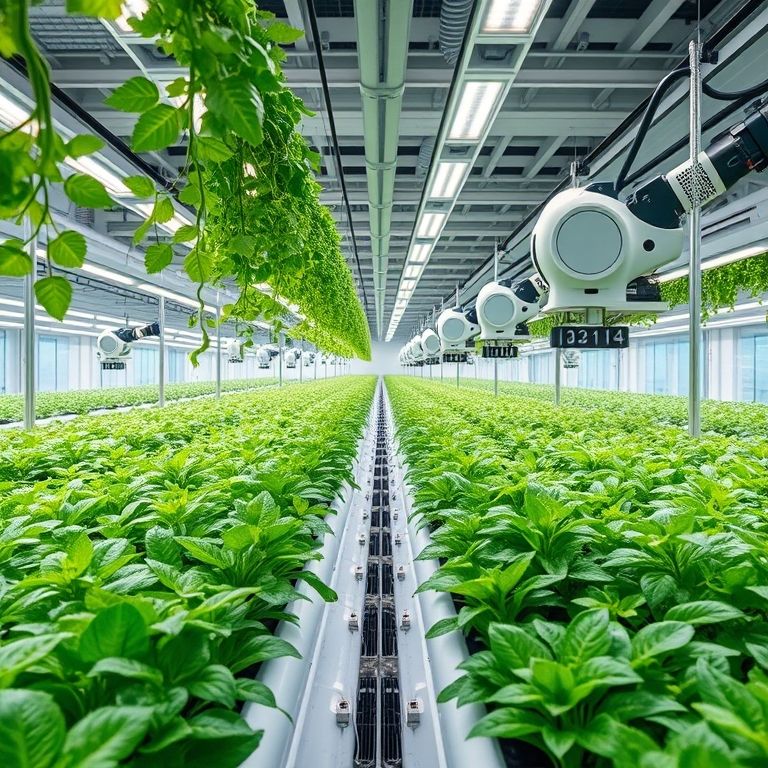
Automation in hydroponics goes beyond monitoring; it extends to robotics. Robotic systems can plant seeds, maintain crops, and harvest produce efficiently. AI-guided robotic arms ensure accurate planting density, pruning, and harvesting without damaging delicate plants.
These smart automation systems dramatically reduce labor costs. They increase scalability. This allows hydroponic farms to operate 24/7 with minimal human intervention. Farms combine robotics with IoT monitoring to achieve a seamless precision ecosystem. Every operation is optimized for efficiency, yield, and sustainability.
Economic and Sustainability Benefits of Automated Hydroponics
Automated hydroponics is not only a technological advancement—it is an economic and ecological solution. Reduced water usage, optimized nutrient delivery, and minimized chemical inputs lower operational costs while preserving the environment. AI and IoT analytics allow farmers to forecast yields, optimize supply chains, and make data-driven decisions that maximize profitability.
By adopting these precision farming practices, hydroponic farms become highly resilient to climate change and market fluctuations. Sustainability and economic efficiency are no longer trade-offs; they coexist in a fully automated, AI-driven hydroponic system.
Hydroponics vs Traditional Farming: Efficiency, Yield, and Sustainability
One of the most compelling ways to understand automated hydroponics is by making a direct comparison. Traditional soil farming provides a basis for comparison. We can analyze efficiency, resource usage, and productivity. This shows why hydroponics is becoming the preferred solution for modern smart farms.
Comparison Table: Hydroponics vs Traditional Farming
| Aspect | Traditional Farming | Hydroponics (Automated) |
|---|---|---|
| Water Usage | High, often wasteful | 70–90% less with recirculation |
| Nutrient Control | Variable, soil-dependent | Precise, AI-managed nutrient delivery |
| Growth Rate | Moderate, season-dependent | Faster, year-round production |
| Labor Requirement | High manual labor | Low, automated monitoring & robotics |
| Pesticide Use | Often necessary | Minimal, precise disease control |
| Space Efficiency | Low, horizontal expansion | High, vertical & stacked systems |
| Yield Consistency | Weather and soil dependent | Predictable, data-driven outcomes |
This table clearly shows how precision hydroponics with AI and IoT outperforms traditional methods, offering both sustainability and profitability.
Smart Climate Control in Hydroponics
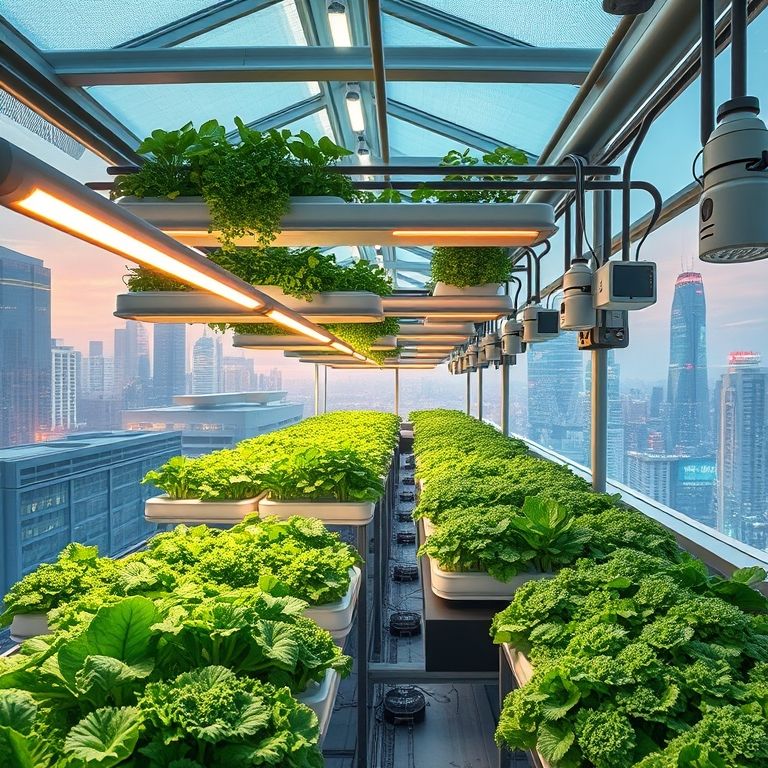
Automation in hydroponics also extends to climate management. AI sensors continuously monitor temperature, humidity, and CO₂ levels in the growing environment. Machine learning models predict optimal climate conditions for each plant type, adjusting LED lighting, fans, and misting systems automatically.
The result: plants grow faster, healthier, and with less stress, while energy and water consumption are minimized. In 2025, this level of precision environment control becomes standard for commercial and urban hydroponic farms. These farms are highly efficient and eco-friendly.
AI-Driven Crop Planning and Forecasting
In automated hydroponic farms, AI systems analyze historical data. They also review real-time data to forecast yields. Additionally, AI predicts nutrient needs and plans crop rotations. Farmers can simulate different scenarios to optimize production schedules, reduce waste, and increase profitability.
For example, AI can predict which crops will perform best under specific light conditions. It can also assess how crops perform under nutrient conditions. This allows farm managers to adjust planting strategies dynamically. This data-driven precision planning ensures maximum efficiency and higher ROI compared to conventional agriculture.
Integration with Vertical and Urban Farming
Hydroponics is particularly effective in urban environments, where space is limited. Automated vertical farming stacks multiple growing layers, and AI-controlled nutrient, water, and light systems ensure each plant thrives.
Cities benefit from local, fresh produce, reduced transport costs, and lower carbon footprint. Automated hydroponics transforms urban agriculture into a sustainable, high-tech solution, enabling year-round crop production regardless of weather or soil quality.
Economic and Environmental Impact Table
| Factor | Traditional Farming | Automated Hydroponics |
|---|---|---|
| Water Cost | High | Low, recycled & optimized |
| Labor Cost | High | Reduced, AI & robotics |
| Crop Yield | Moderate | High, predictable & fast |
| Energy Use | Moderate | Optimized with LEDs & sensors |
| Environmental Footprint | High (fertilizers, runoff) | Low, precise nutrient control |
| Profitability | Variable | High, data-driven decisions |
This table highlights the economic and environmental advantages of smart hydroponic farms. It demonstrates why they are the future of controlled-environment agriculture.
Conclusion: Hydroponics as the Future of Smart Farming
Hydroponics, combined with automation, AI, and IoT, is shaping the future of agriculture. In 2025, farms that adopt these smart, precision-driven systems can achieve higher yields, reduced resource consumption, and enhanced sustainability. By embracing automated hydroponic technologies, farmers worldwide are not just growing crops—they are growing the future of agriculture itself.